

 (02) 9410-3740
 info@besafeinspections.com.au


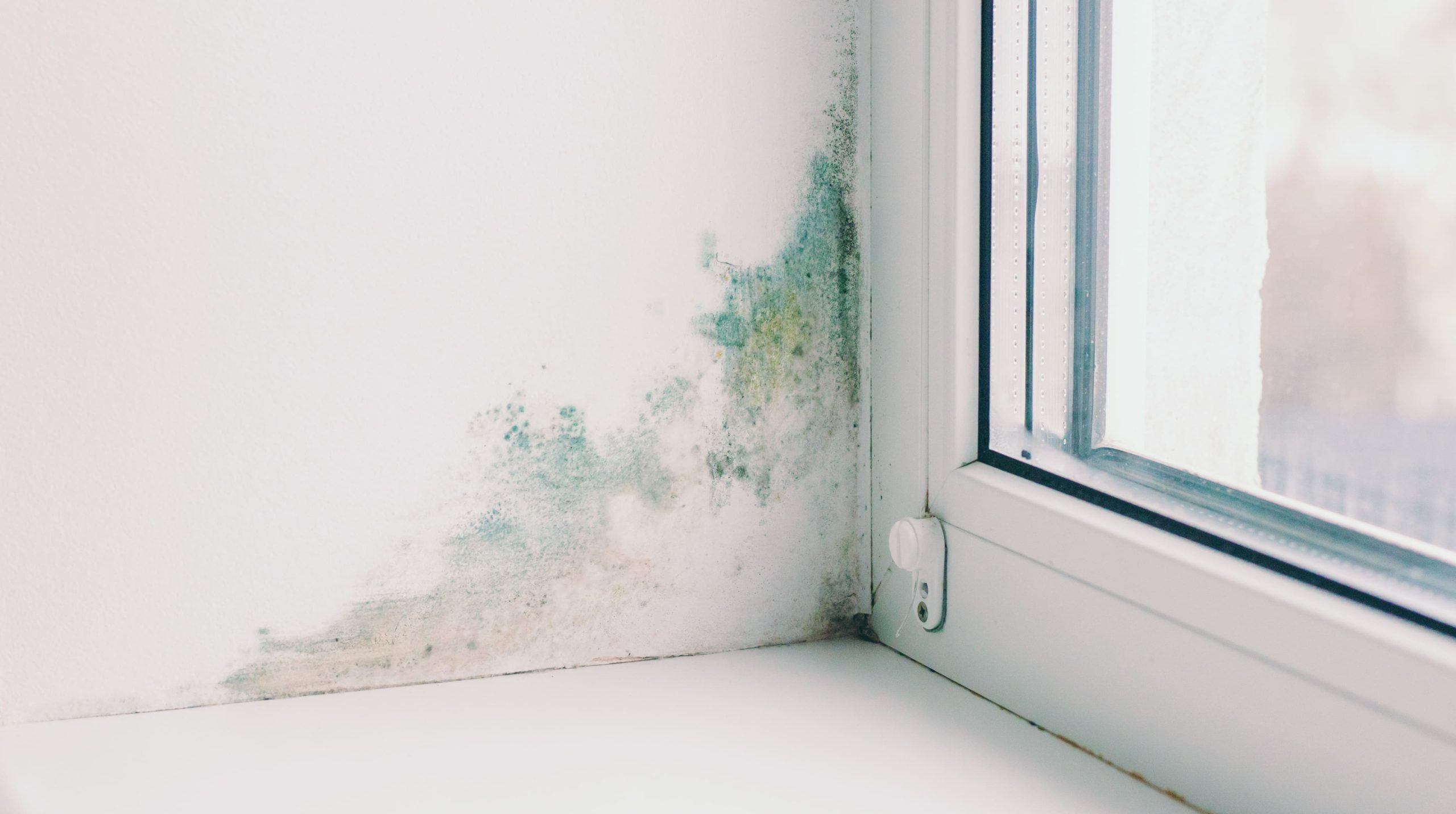
Sydney’s humid subtropical climate and frequent heavy downpours create the perfect conditions for moisture problems to develop in homes and apartments. While some signs are easy to spot, many forms of moisture intrusion remain hidden behind walls, beneath flooring, or in roof cavities until they have already caused significant damage.
At BeSafe, moisture-related issues are one of the most common problems we identify during building inspections. Left unchecked, excess moisture can lead to mould growth, timber decay, structural deterioration, and costly repairs that could have been avoided with early detection.
In this article, we’ll walk you through the most common signs that your home may have a moisture problem, explain what causes them, and help you understand when it’s time to seek a professional inspection before a small issue becomes a major one.
Why Moisture Problems Should Never Be Ignored
Excess moisture is often the starting point for some of the most serious problems that can affect a home. It creates the ideal environment for mould to grow, causes timber to rot, corrodes metal components, and weakens building materials over time.
Unfortunately, waiting until the signs become obvious can be costly. Water damage is one of the leading causes of home insurance claims in Australia, accounting for a significant proportion of property-related claims each year. In many cases, repairs extend far beyond fixing the original leak, with damage to internal finishes, structural elements, insulation, and even electrical systems. Identifying and addressing moisture problems early, especially if you are looking to purchase a home, is almost always far more affordable than dealing with the consequences later.
What Causes Moisture to Build Up Inside a Home?
Moisture can enter a home from both outside and inside. Externally, water may find its way in through damaged roofing, failed sealants, or poor drainage around the property. Rising damp can also draw groundwater up through brickwork and masonry, while hidden plumbing leaks may slowly release water behind walls or beneath concrete slabs.
Inside the home, everyday activities naturally produce moisture. Cooking, showering, drying clothes indoors, and even breathing all release water vapour into the air. Without adequate ventilation, this moisture has nowhere to escape, allowing condensation to form on cooler surfaces and gradually soak into surrounding building materials.
- Water ingress through damaged roofing, flashing, cracked render or failed sealant
- Rising damp drawn up from the ground through brick and mortar by capillary action
- Plumbing leaks behind walls, under slabs or at appliance connections
- Condensation from poor ventilation in kitchens, bathrooms and laundries
- Groundwater and drainage issues affecting subfloors and lower walls
Moisture, Dampness and Water Damage Are Not the Same Thing
Although the terms are often used interchangeably, moisture, dampness, and water damage describe different stages of the same problem.
- Moisture is simply the presence of excess water within building materials, often before there are any visible signs.
- Dampness refers to the physical effects of that moisture, such as musty odours, cold walls, or surfaces that feel persistently damp.
- Water damage is the visible outcome, including staining, bubbling paint, warped flooring, rotting timber, or deteriorating plaster.
Understanding the difference is important because each source of moisture requires a different solution. Improving ventilation may resolve condensation issues, but it won’t stop rising damp or a leaking roof. Likewise, repainting a stained wall may hide the symptom temporarily, but unless the underlying cause is identified and repaired, the problem will almost certainly return. Proper diagnosis is the first step towards protecting your home from further damage.
10 Signs Of Moisture Issues In A Home
Sign 1: Persistent Damp or Musty Smells
One of the earliest signs of excess moisture is a persistent damp or musty smell. In many cases, this odour appears well before there are any visible signs of damage. The smell is caused by mould, mildew, and bacteria growing in damp building materials such as insulation, timber framing, or plasterboard hidden behind walls.
If a room consistently smells damp even though everything appears dry, it’s worth investigating further. A mouldy smell often points to condensation or a hidden leak, while a more earthy odour may suggest moisture rising from the ground.
Rooms Where Musty Odours Show Up First
- Bathrooms and ensuites, especially around shower recesses
- Laundries and the cupboards around them
- Subfloors, roof voids and under-stair storage
- Built-in wardrobes and cupboards backing onto external walls
Sign 2: Mould and Mildew Growth
Visible mould is one of the clearest signs that excess moisture is present, but it’s rarely the beginning of the problem. By the time mould appears, moisture has usually been accumulating for some time.
Mould commonly presents as black, green, or grey patches on ceilings, walls, window frames, or behind furniture where airflow is limited. Because it needs ongoing moisture to survive, visible mould almost always indicates that the underlying issue remains unresolved.
Beyond damaging your home, mould spores can affect indoor air quality and trigger allergies, asthma, and respiratory irritation, particularly in children, older adults, and those with existing respiratory conditions.
💡Simply wiping mould away won’t solve the problem if moisture is still present. Unless the source of the water is identified and repaired, mould is likely to return.
Sign 3: Peeling Paint, Bubbling Walls and Flaking Plaster
When paint bubbles, blisters or peels away in sheets, water is usually trapped behind it. Paint is designed to breathe, but sustained moisture pushes it off the surface from underneath. The same goes for plaster that turns powdery, crumbles near the skirting, or detaches in patches.
What Interior Versus Exterior Damage Tells You
Where the paint is failing helps narrow the cause. Interior paint lifting on a lower wall, near the skirting, often points to rising damp or a leak at floor level. Paint failing higher up, around a window or in a ceiling corner, leans towards condensation or water coming in from outside. Exterior paint blistering on a wall can signal water moving through the masonry from the inside out.
Sign 4: Water Stains on Walls and Ceilings
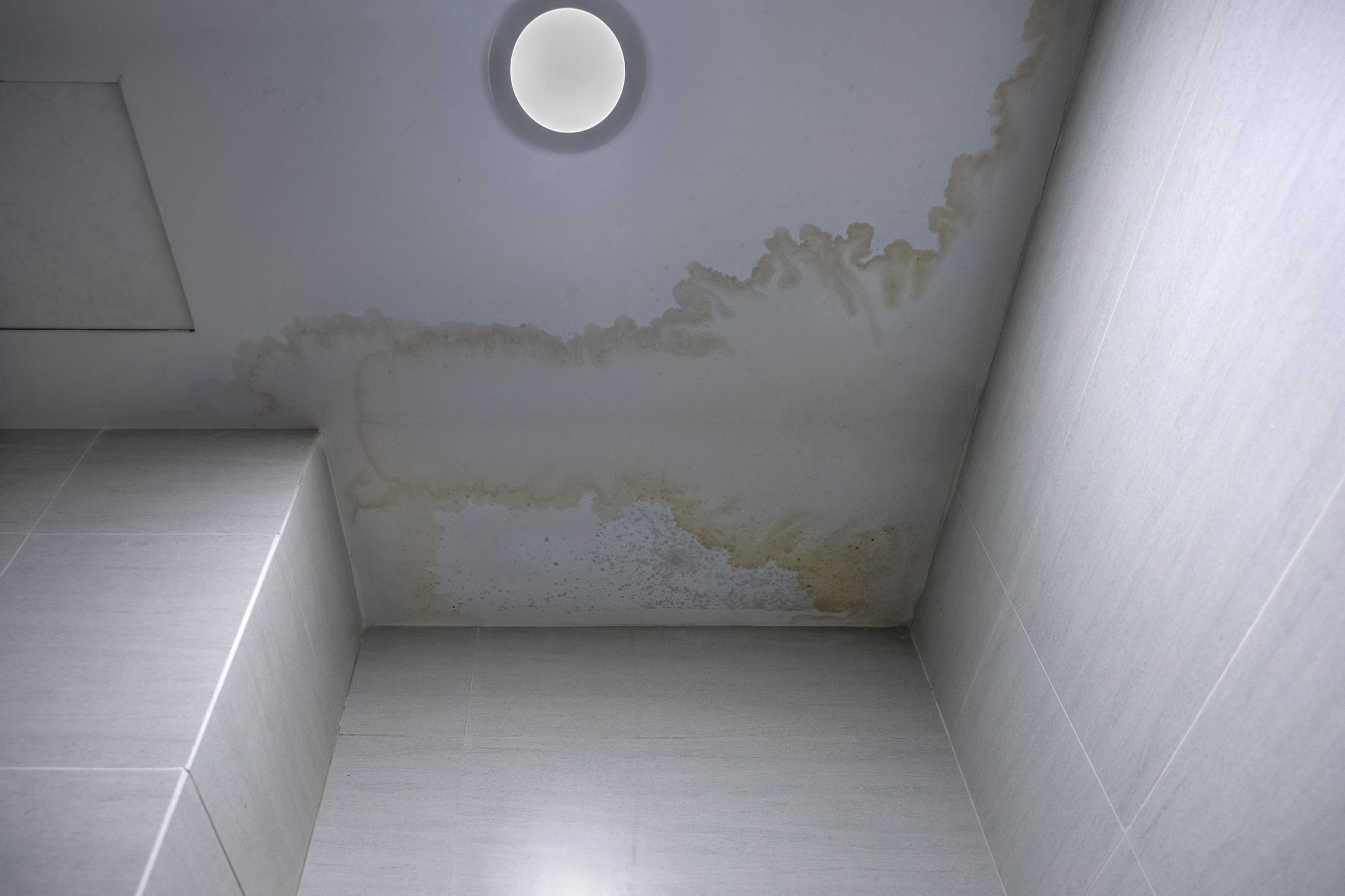
Brown, yellow, or discoloured patches on walls and ceilings are among the most recognisable signs of water intrusion. Many stains develop a darker ring around the outside, showing that the area has repeatedly become wet and dried over time.
The location and shape of the stain often provide valuable clues.
- Ceiling stains usually indicate roof leaks, damaged flashing, or plumbing from an upper floor.
- Wall stains may suggest leaking pipes hidden inside the wall cavity.
- Stains that become darker after rain often point to roofing or guttering issues.
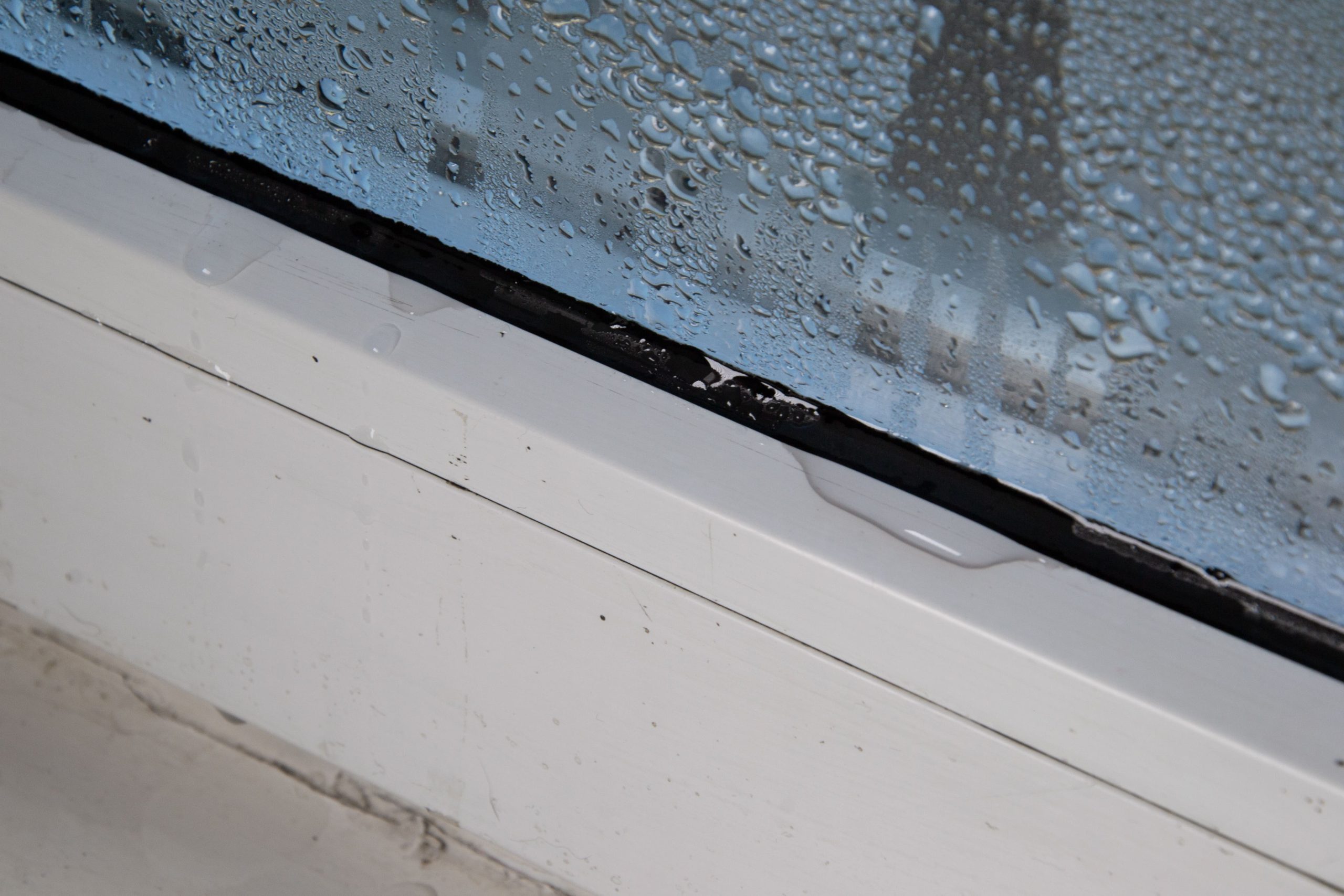
Sign 5: Condensation on Windows and Glass Surfaces
A small amount of condensation on a cold winter morning is normal. Persistent condensation is not. It means the air inside your home is carrying more moisture than it can shed, and that excess water is settling on the coldest surfaces it can find.
Everyday activities such as cooking, showering, and drying clothes indoors release large amounts of moisture into the air. Without adequate ventilation, that moisture settles on cold surfaces like windows before eventually affecting walls and ceilings.
Sign 6: Warped Timber, Swollen Doors and Buckled Flooring
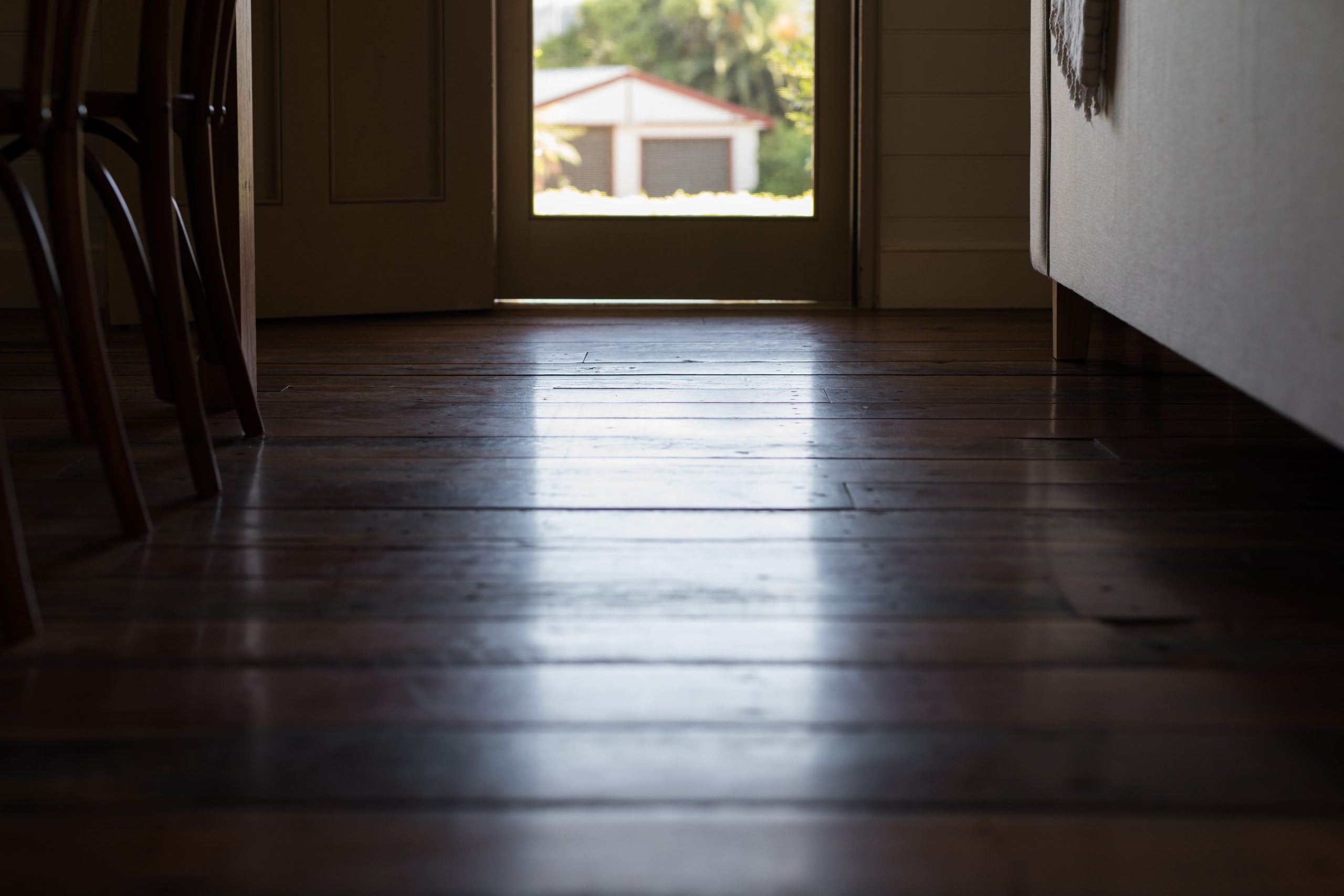
Timber naturally absorbs moisture, expanding as it becomes wet and shrinking as it dries. Repeated exposure can cause noticeable movement throughout the home. Doors that suddenly become difficult to close, skirting boards separating from walls, or uneven flooring can all indicate that moisture is affecting structural timber.
Flooring Problems That Point to Hidden Moisture
- Floorboards lifting at the edges or cupping into a shallow U-shape
- Soft or spongy spots underfoot, especially near wet areas and external doors
- Buckling or peaking where boards push against each other as they expand
Sign 7: Cracks, Salt Deposits and Deteriorating Brickwork
Exterior walls can reveal moisture problems long before they become visible indoors. White powdery deposits on bricks or mortar.
This is called efflorescence: mineral salts carried through the brickwork by water and left behind on the surface as that water evaporates. The salt itself is harmless.
However, efflorescence means water is actively moving through the wall, and it is one of the classic markers of rising damp, usually appearing in a band along the lower part of the wall, no higher than around one to one and a half metres.
When a Crack Is More Than Settlement
Most homes have a few hairline cracks, and the majority are harmless settlement. However, repeated wetting and drying make the ground around foundations move, and persistent dampness weakens mortar and masonry over time. A crack that is widening, paired with damp or salt staining nearby, is worth having assessed rather than filled and forgotten.
Sign 8: Rusting Metal Fixtures and Corrosion
Moisture not only affects timber and plaster, it also accelerates corrosion of metal fixtures and structural components. Rust appearing on window frames, steel lintels, garage door tracks, or exposed fixings may indicate ongoing moisture exposure.
Where Corrosion Shows Up First
- Garage doors and tracks, especially in homes near the coast
- Exposed structural steel, lintels and bracketry
- Window and door frames where seals have failed
- Nails, screws and fasteners are bleeding rust stains through paint or render
In coastal Sydney and Central Coast homes, salt air already accelerates corrosion, so rust on its own is common. But rust that appears alongside damp, staining or a musty smell should be investigated.
Sign 9: Increased Allergy Symptoms or Poor Indoor Air Quality
Another common sign of persistent moisture issues is an unexplained increase of asthma or allergy symptoms that ease when you leave the house, which can all be traced back to airborne mould spores.
Mould releases spores into the air long before a colony is large enough to see. Those spores circulate, settle and irritate airways. So a household that is suddenly battling more colds, headaches or breathing trouble, with no obvious cause, may be reacting to hidden mould growing in a wall cavity, subfloor or roof space. It is one of the reasons moisture problems are worth taking seriously even when the damage is not yet visible.
Sign 10: Unexpectedly High Water Bills or Constant Plumbing Issues
A sudden increase in your water bill without any obvious change in usage can be an early warning sign of a hidden leak. Water escaping beneath floors or inside walls may continue unnoticed for months while steadily causing damage.
Some of the most common include:
- Under-slab leaks, where pipework beneath a concrete floor fails out of sight
- Behind-wall pipe failures that quietly soak into the cavity and framing
- Slow drips at joints and connections that never quite dry out
Where Moisture Problems Usually Begin
While moisture can develop anywhere in a home, there are a handful of areas where it most commonly starts. These locations are exposed to water more frequently, have limited ventilation, or are vulnerable to hidden leaks, making them the first places moisture-related problems tend to appear.
At BeSafe, these are the areas we pay particular attention to during building inspections because they account for the majority of the moisture issues we uncover. If you’re carrying out your own visual inspection, they’re also the best places to start.
- Roof Cavities: Roof leaks, damaged flashing and cracked or slipped tiles let water in at the highest point, where it can travel a long way before it shows. A roof void is also where you often smell or see the earliest evidence.
- Bathrooms, Kitchens and Laundries: Failed shower waterproofing, leaking appliance connections and poor ventilation make wet areas the single most common source of indoor moisture. Tiled shower recesses are a frequent offender, because a small breach in the waterproofing membrane can leak for years.
- Basements and Subfloors: Down low, rising damp, groundwater intrusion and poor drainage combine with limited airflow to trap moisture against timber. Subfloors are a prime spot for both rot and termite activity, which is why we always check them.
- Exterior Walls and Windows: Failed sealants, cracked masonry and faulty window flashing let rain push in from outside. Blocked weep holes are a common and easily missed culprit here.
Building Inspections & Moisture Identification
Whether you’re buying or selling a home, identifying moisture issues before contracts are finalised can save significant time, money, and stress. Many moisture problems remain hidden during a standard walkthrough, only becoming apparent months or even years later when repairs are far more extensive and expensive.
A professional building inspection is designed to uncover these hidden defects, giving buyers a clearer understanding of a property’s condition and helping sellers address potential issues before they become obstacles during the sale process.
- For Home Buyers: Purchasing a property is one of the biggest financial decisions you’ll make, so it’s important to know exactly what you’re buying. While a home may appear well-maintained on the surface, moisture can be concealed behind walls, beneath flooring, inside roof cavities, or within subfloors. Identifying these issues before settlement allows buyers to make informed decisions, negotiate repairs or pricing where appropriate, and avoid unexpected repair costs after moving in.
- For Home Sellers: For sellers, arranging a building inspection before listing your property can help uncover moisture issues early, giving you the opportunity to resolve them before prospective buyers discover them during their own inspection. Being proactive can often make the sales process smoother while reducing the chance of contracts falling through due to hidden building concerns.
Why Professional Moisture Detection Matters
Not all moisture problems are visible to the naked eye. Experienced building inspectors use specialised equipment, such as moisture meters and thermal imaging technology where appropriate, alongside a thorough visual assessment to identify signs of too much moisture in a house that may otherwise go unnoticed.
At BeSafe, we understand where moisture problems are most likely to occur and what early warning signs to look for. Our comprehensive pre-purchase and pre-sale building inspections provide clear, practical reporting, helping buyers purchase with confidence and sellers prepare their property with greater certainty.
Protect Your Home by Acting Early
Moisture problems often start small but can quickly lead to mould, structural damage, and costly repairs if left untreated. The earlier you identify the warning signs, the easier and more affordable they are to address.
Whether you’re buying, selling, or simply maintaining your home, a professional building inspection can uncover hidden moisture issues before they become major problems. At BeSafe, we provide thorough inspections to help you make informed decisions and protect your property’s long-term condition
Featured news articles

How to Choose a Building Inspector in Sydney
Buying property in Sydney? Learn how to choose the right building inspector, what to check, key red flags and when to book a building and pest inspection.

Dilapidation Reports: What They Are and Why Property Owners Need Them
Learn what a dilapidation report is, why it’s essential before construction or demolition, and how it protects property owners from damage claims and disputes.
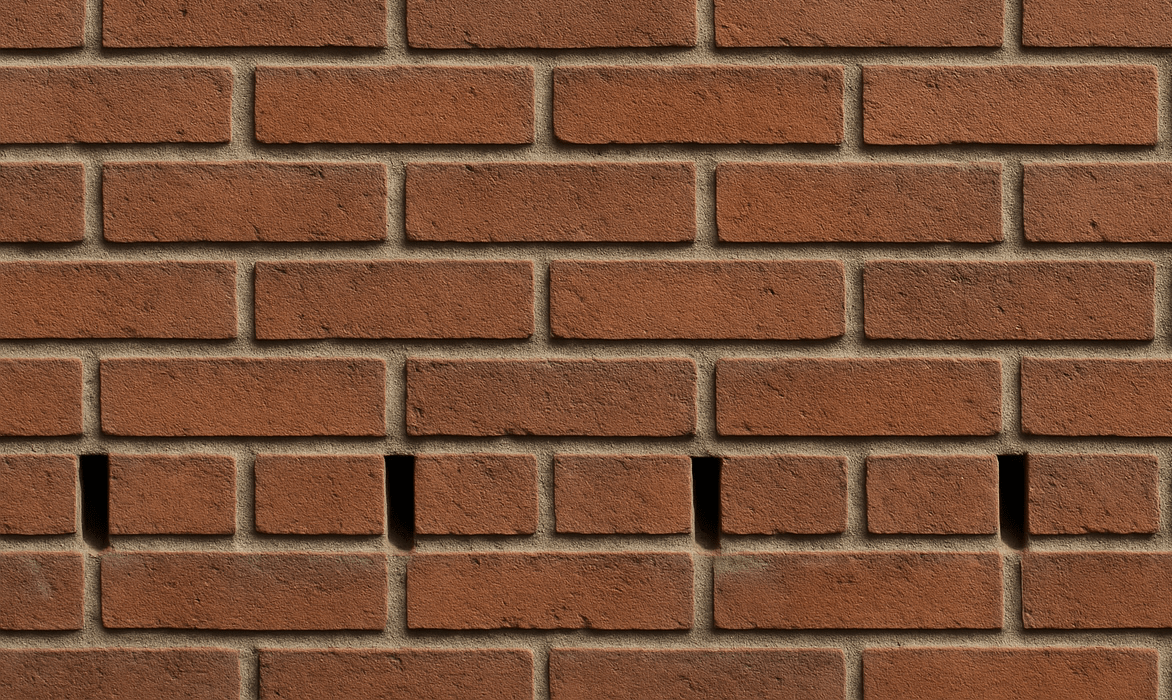
What are Weep Holes in Brickwork? Why Pre-Purchase Building Inspections Are Important
Learn what weep holes are, why they are vital for your home’s structural integrity, and how professional property inspections can prevent costly moisture and pest damage.

What is a Strata Report? Your Essential Guide Before Buying Property
Discover what a strata report is and why it’s crucial before buying a strata-titled property. Learn how it reveals financial, legal, and management insights to protect your investment.

How To Spot Drainage Problems: 9 Warning Signs To Look For Before Making A Purchase
Discover the 9 most common drainage issues to spot before purchasing a property. Protect your investment, learn expert tips to avoid costly repairs. Read now!

Top 7 Building Defects Found in New Sydney Properties: How to Spot Them
New doesn’t always mean defect-free. In Sydney’s booming property market, construction issues are more common than many buyers realise. From waterproofing failures to structural cracks, this guide breaks down the 7 most frequent defects found in new builds, and how to detect them before they escalate.

Pre-Purchase Building Inspection vs Pest Inspection: What You Need To Know
Buying property? Learn the key differences between pre-purchase building inspections and pest inspections, and why relying on just one could leave you exposed. Learn how these two essential inspections work together to give you a complete picture of a property’s condition, uncover hidden risks, and help you make a confident, informed investment decision.

Ultimate Personal Property Inspection Checklist Before Booking an Inspection
Discover why having a personal property inspection checklist is essential before booking a professional inspection. Taking the time to walk through a property with your own checklist allows you to identify areas of concern, prioritise your questions, and ensure nothing is overlooked. While it won’t replace the expertise of a licensed inspector, it empowers you to approach the inspection process with greater clarity and confidence.

First-Time Buyer’s Guide to Property Inspections in Sydney
Purchasing your first home in Sydney? Don’t skip the property inspection. This comprehensive guide provides key insights into what to expect during an inspection, common issues to be aware of, and how a professional assessment can protect your investment and save you money in the future.

The Impact of Sydney’s Building Boom on Inspection Standards
Sydney’s building boom is fueling rapid development, but it’s also raising concerns about the integrity of both NSW building standards and inspection quality. As construction accelerates, reports of defects are on the rise, raising concerns about the long-term integrity of new properties. With increasing pressure on the construction industry, learn how this affects inspection standards and what it means for property buyers.

How Much Does A Building Inspection Cost In Sydney?
A building inspection is an essential step in the Sydney property purchasing process, providing buyers with critical insights into potential structural issues and hidden defects. Inspection costs vary based on property size, type, and additional services required. This guide offers a comprehensive overview of building inspection pricing, key cost factors, and strategies to ensure purchasers receive the best value for their investment.
Should You Be Present at a Building & Pest Inspection? What You Need To Know
When you’re in the process of buying a property, a building and pest inspection is a crucial step in making sure you’re making a sound investment. However, one common question is whether it is necessary to attend the inspection in person. While it may seem convenient to forgo being present, attending the inspection offers valuable opportunities to gain insights directly from the expert.

What Is An Unsatisfactory Building Inspection?
An unsatisfactory building inspection can uncover hidden issues that may impact your property purchase. From structural concerns to plumbing and electrical problems, understanding what these findings mean and how to handle them is crucial.

Signs It’s Time To Walk Away From A Property
Investing in a property is exciting, but hidden building faults, pest damage, and financial red flags can all indicate it’s time to reconsider your choice. Understanding these crucial warning signs can help protect your investment and ensure you find a home that meets your needs

What Does a Building and Pest Inspection Cover?
A building and pest inspection is vital for any property transaction. This guide covers what these inspections include, from structural assessments to pest detection, and explains why they’re essential for safeguarding your investment. Learn about the advantages of professional inspections and find out how BeSafe Inspections can help ensure your property is in top condition.
Introducing our new strata inspector
BeSafe’s Strata Inspector Tina has joined the team to help us expand our capacity for delivering strata reports to unit and apartment buyers in Sydney.
Why Sydney homebuyers need independent property inspection reports
Property inspection reports are essential for Sydney buyers who want to ensure they get exactly what they are paying for.

Before you buy: Is your new house hiding leaks?
If you’re looking to buy a home in Sydney, a pre-purchase building inspection is vital to detect household leaks and rising damp.

Common Defects Found In Buildings
If you’re in the process of purchasing a new property, it can be daunting to consider the repairs it may need. Discover the most common building defects, their causes, and how to address them effectively to make informed decisions and protect your investment.
Building Inspections
Looking to purchase a property but wondering if you actually really need a building inspection

The Cause Of Wall Cracks
Understanding the cause requires consideration of a large number of factors

Cracks in Buildings
The sight of cracking can set off alarm bells in anyone considering purchasing a property