

 (02) 9410-3740
 info@besafeinspections.com.au


Sydney’s property market moves quickly. Whether you are buying, selling or maintaining a property, it can be a complicated process to navigate. With so many considerations and moving parts, it can be tempting to book the first building inspector who is available, or go with the cheapest quote.
It can be easy to overlook the importance of a building inspection. However, it provides valuable insight into its condition and can uncover potential issues before they become expensive problems. Having the right inspector on your side can make the process easier to navigate and give you greater confidence in your next decision.
Below, we help you understand how to find the right building inspector in NSW; from the benefits of professional inspections to the top factors to consider when making your decision.
Is a Building and Pest Inspection Compulsory in NSW?
A building and pest inspection is not compulsory when buying an established property in NSW. You can buy a home without having one done before signing the contract or settling. Instead, it forms part of your voluntary due diligence, alongside reviewing the contract and, for strata properties, checking the owners corporation records.
If it isn’t required, is a building and pest inspection worth it?
It means the responsibility for deciding whether to inspect largely sits with you. NSW vendors have disclosure obligations around prescribed property and planning documents, but there is no general requirement for a vendor to provide a buyer with a complete report on the property’s physical condition. A roof leak, deteriorated subfloor or termite damage may go undisclosed, only becoming apparent when you arrange your own inspection, or months after settlement.
- Uncover potential problems: An experienced inspector can identify visible signs of structural defects, moisture issues, timber deterioration, termite activity and other concerns that may not be obvious during a routine property viewing.
- Understand the property’s condition: A detailed report gives you a clearer picture of the property’s current condition, including issues that may require attention immediately and those that could become more significant over time.
- Make better-informed decisions: Knowing about potential defects before committing to a property gives you the opportunity to seek specialist advice, obtain repair estimates or reconsider the purchase based on the information available.
Support negotiations: Where significant defects are identified, the findings may provide useful information during price or repair negotiations. The report does not guarantee that a seller will agree to changes, but it gives you documented information to take into those discussions.
When Can an Inspection Become a Requirement?
While inspections are generally voluntary for established properties, there are some important exceptions and circumstances to understand:
- Contract conditions: If you negotiate a clause making the purchase conditional on a satisfactory building and pest inspection, that requirement becomes part of your contract. The exact rights and timeframes will depend on the wording of the clause.
- New construction and major renovations: NSW has mandatory inspection requirements at prescribed stages of certain residential building work, which are separate from a buyer’s pre-purchase inspection.
- New strata buildings: Certain new strata developments are subject to the Strata Building Bond and Inspection Scheme, which has its own inspection and reporting requirements.
- Lender requirements: A lender’s valuation is different from a building inspection. While a lender may request additional assessments in some circumstances, obtaining a building and pest report is not generally a universal lending requirement.
Read More: The Impact of Sydney’s Building Boom on Inspection Standards
What Does a Building Inspector Actually Check in Sydney?
A building inspector looks at the accessible, visible parts of a property to identify defects, safety concerns and signs of damage. This usually includes the inside and outside of the home, roof space, subfloor and surrounding site areas.
What Does a Standard Building Inspection Cover?
A typical pre-purchase building inspection may assess:
- Interior: Walls, ceilings, floors, doors, windows and visible cracks or damage.
- Roof and roof space: Roof coverings, gutters, downpipes, drainage and visible signs of water damage.
- Subfloor: Where accessible, the inspector may look for moisture, timber deterioration and poor ventilation.
- Wet areas: Bathrooms, laundries and other wet areas for visible moisture, dampness and leaking fixtures.
- Exterior and site: External walls, cladding, render, drainage, paths, driveways and fencing.
- Balconies, decks and stairs: Balustrades, handrails and other visible safety concerns.
The exact areas inspected will depend on the property and what the inspector can safely access on the day.
A standard pre-purchase inspection is visual and non-invasive. An inspector will not pull up flooring, move heavy furniture, open walls or dismantle building components to investigate concealed areas. If you have a specific concern, you may need a more specialised inspection or report.
Building Inspection vs Pest Inspection: Do You Need Both?
A building inspection and pest inspection look for different problems, so having both can give you a more complete picture of the property.
A building inspection focuses on the condition of the building and visible defects. A pest inspection looks specifically for termites, timber pests, signs of infestation and conditions that could attract pests.
| Inspection type | What it checks | Best for |
| Building inspection | Visible defects, safety concerns, water damage and general building condition | Buyers assessing the overall condition of a property |
| Pest inspection | Termite activity, timber pests and conditions that may attract pests | Buyers concerned about termites and timber damage |
| Combined building and pest inspection | Both building and pest concerns during one inspection | Most house, townhouse and older property buyers |

Key Areas to Consider When Choosing a Building Inspector
With so many building inspectors offering pre-purchase inspections across Sydney, it can be difficult to know who to trust. While price is a factor to consider, opting for a cheaper quote can mean compromising on experience, thoroughness or the quality of your inspection report.
1. Check Qualifications, Licensing and Experience
Typically, there are no formal qualifications required to perform a building inspection. However, an experienced inspector needs to understand how homes are constructed and what different defects could mean for the property.
Ideally, look for an inspector who is a licensed builder with practical construction experience. These professionals can draw on practical knowledge when assessing issues such as cracking, movement, moisture, roofing and deterioration, rather than simply documenting what they can see.
Ask how long they have worked in the building industry, what qualifications they hold and whether they regularly carry out the type of inspection you need.
| Based in NSW, the BeSafe Inspections team consists of licensed builders and building inspectors with a deep understanding of construction and building standards. Our expertise allows us to identify issues that others might miss, ensuring a thorough evaluation of your property. |
2. Are They Experts In What You’re Looking For?
Not every property inspection is the same, and thus, requires different skill sets. Where a pest inspection needs an expert in pest tracking and analysis, a pre-purchase building inspection should be conducted by someone well-versed in the building and construction.
Before booking, make sure the inspector has experience with your property type and the specific inspection you require. This is particularly important if you are buying an older home, apartment, townhouse, investment property or a property with renovations or extensions.
3. Are They Thorough?
A comprehensive inspection typically takes between 2 to 3 hours, depending on the size and complexity of the property. This allows for a detailed examination of the property to identify both major and minor defects.
Depending on the property, this can include:
- Walls, ceilings and floors
- Cracks and signs of movement
- Mould, dampness and water stains
- Wet areas and visible waterproofing concerns
- Roof coverings, gutters and downpipes
- Roof space and subfloor areas where accessible
- External walls, render and cladding
- Drainage and stormwater
- Balconies, decks, stairs and balustrades
- Driveways, paths, fencing and other accessible structures
- Visible signs of timber pest or termite damage
4. Check What Standards They Inspect To
A reputable building inspector should be clear about the standards they use when carrying out an inspection. This helps you understand what the inspection covers, how findings are assessed and what you can expect from the final report.
- AS 4349.1 is the Australian Standard for pre-purchase inspections of residential buildings. It provides guidance around the scope of a visual inspection and how findings should be reported.
- If you are also arranging a timber pest inspection, AS 4349.3 is the relevant standard for that assessment. It covers inspections for termites and other timber pests, as well as conditions that may contribute to pest activity.
Before booking, ask your inspector which standards they inspect to and whether these are clearly referenced in their report. At BeSafe, our inspections are carried out with the relevant Australian Standards in mind, giving you a clear understanding of what has been inspected and any limitations that apply.
5. Are They Insured?
It’s crucial to ensure that the building inspector you choose has adequate insurance coverage to protect you from any potential issues that may arise during the inspection process.
At BeSafe, we carry comprehensive insurance coverage that includes:
- Public Liability Insurance: This covers any damages or injuries that might occur to individuals or property during the inspection. It ensures that if any accidents or unforeseen damage happens, you won’t be held financially responsible.
- Professional Indemnity Insurance: This provides coverage in the event that a mistake or oversight in our inspection report leads to a financial loss for you. While these situations are rare, they safeguard against claims of negligence or errors in our professional services, ensuring that you receive fair compensation if an issue arises.
- Workers’ Compensation Insurance: This insurance covers our team members in case they are injured while performing the inspection. It guarantees that any workplace injuries are handled with appropriate medical care and compensation.
Don’t be afraid to ask for confirmation of current insurance cover before booking.
6. Choose an Independent Inspector
Your building inspector should work independently of the selling agent and vendor, with their focus firmly on assessing the property and providing an objective report of what they find. An independent inspector should be comfortable identifying defects and potential concerns, even when the findings may affect the sale.
7. Look for Local Sydney Experience
Sydney’s property market covers a huge range of building styles, ages and construction types, from heritage-listed Federation homes and traditional terraces to modern apartments, townhouses and new builds. Each can present different issues and inspection considerations.
An inspector with experience across NSW properties is more likely to understand the common issues associated with different construction styles and property types.
| For example, an older home may require closer attention to dampness, timber deterioration, movement, roofing and ageing building components, while an apartment may raise different questions around waterproofing, balconies and common property. |
If you are buying into a strata scheme, a building inspection is only one part of your due diligence. A strata records inspection can provide additional information about the building’s maintenance history, finances and known issues.
8. Ask to See a Sample Report
Don’t choose an inspector based solely on what they promise to inspect. Look at how they communicate their findings too. Ask whether you can see a sample report before booking. A good report should clearly explain:
- What was inspected
- What defects were identified
- Where each issue is located
- The seriousness or significance of the issue
- Relevant photographs that illustrate the identified problems, helping you to visualise the issues more clearly.
- Any areas that could not be accessed
- Important limitations of the inspection
At BeSafe, we ensure that you receive a detailed and well-organised report within 24 to 48 hours after the inspection is completed. You can choose between a detailed written report, which provides an in-depth account of the findings and includes all necessary documentation and images, or a face-to-face discussion where our inspectors walk you through the report and answer any questions you might have.
9. Ask Whether You Can Attend the Inspection
Being present during the inspection can be useful, particularly if this is your first property purchase.
Attending gives you the opportunity to see the property through the inspector’s eyes, ask questions as issues are identified and gain a better understanding of the property’s condition.
10. Consider Pricing
Inspection prices can vary depending on the property’s size, location, age, type and the scope of the inspection.
It can be tempting to choose the cheapest quote, particularly when you are already spending a significant amount on a property. However, the lowest price does not necessarily represent the best value.
Instead, compare what you actually receive for the price. Look at the inspector’s experience, inspection scope, reporting quality, turnaround time, insurance and post-inspection support.
A slightly cheaper inspection is unlikely to be good value if important areas are overlooked or the report leaves you with more questions than answers.
Read More: How Much Does A Building Inspection Cost In Sydney?
11. Read Recent Reviews
Lastly, when choosing a building inspector, take the time to read reviews and testimonials from previous clients. These can provide valuable insights into the inspector’s reliability, professionalism, and the overall quality of their service. Look for consistent patterns across multiple reviews, rather than relying on a single testimonial.

Red Flags to Consider
Not every building inspector offers the same level of experience, service or reporting. Before you book, take a moment to look beyond the price and consider how clearly the inspector communicates what you are getting.
Be cautious if an inspector:
- Offers an unusually cheap quote without clearly explaining what is included.
- Is vague about their qualifications or licensing or avoids providing details when asked.
- Cannot clearly explain the inspection scope, including what areas will and won’t be assessed.
- Won’t explain exclusions or inaccessible areas, leaving you unclear about the limitations of the inspection.
- Is reluctant to discuss insurance, including professional indemnity and public liability cover.
- Provides a generic report with limited detail, context or photographs of the property’s findings.
- Pressures you to book immediately without giving you reasonable time to ask questions.
- Is unwilling to answer reasonable questions before the inspection or explain how their process works.
Timing Your Inspection
When you book your building inspection can be just as important as who you choose. It is recommended to arrange the inspection before you are legally committed to the property, giving you enough time to understand the findings and seek advice before making a final decision.
Buying at Auction
In NSW, auction purchases are generally not subject to a cooling-off period. For that reason, your building inspection should be completed before auction day, rather than after you have successfully bid on the property.
Having the report in hand before the auction gives you time to understand any defects or potential concerns, ask the inspector questions and discuss significant findings with your solicitor or conveyancer before deciding whether to bid.
Buying via Private Treaty
Private treaty purchases are different. NSW residential property buyers generally have a five-business-day cooling-off period after exchanging contracts, although there are exceptions and the cooling-off period does not apply to auction purchases. If a buyer withdraws during the cooling-off period, they generally forfeit a percentage of the purchase price.
Some buyers choose to arrange their building inspection during this period. However, the timeframe can be tight. You need to allow time for the inspection to be completed, receive and review the report, ask questions and obtain professional advice if a significant issue is identified.
Get a Clearer Picture Before You Buy
A building inspection can uncover issues that aren’t obvious during an open home, but the value comes from choosing an inspector who knows what to look for and can explain what their findings mean.
If you’re buying in Sydney, BeSafe Inspections can take care of both sides of the assessment with comprehensive building and pest inspections. Our experienced inspectors assess the accessible areas of the property, document their findings and provide a detailed report to help you understand the property’s condition before you commit.
Looking at a property in Sydney? Get your obligation-free building and pest inspection quote from BeSafe today.
Featured news articles
How to Choose a Building Inspector in Sydney
Buying property in Sydney? Learn how to choose the right building inspector, what to check, key red flags and when to book a building and pest inspection.
Dilapidation Reports: What They Are and Why Property Owners Need Them
Learn what a dilapidation report is, why it’s essential before construction or demolition, and how it protects property owners from damage claims and disputes.
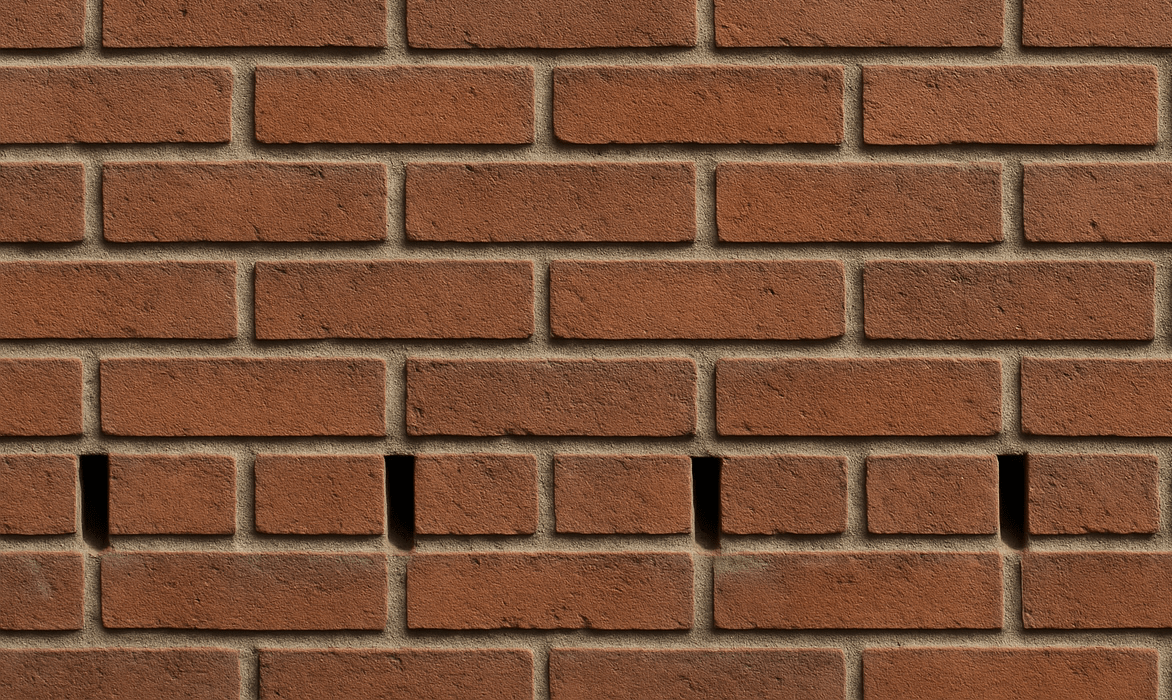
What are Weep Holes in Brickwork? Why Pre-Purchase Building Inspections Are Important
Learn what weep holes are, why they are vital for your home’s structural integrity, and how professional property inspections can prevent costly moisture and pest damage.

What is a Strata Report? Your Essential Guide Before Buying Property
Discover what a strata report is and why it’s crucial before buying a strata-titled property. Learn how it reveals financial, legal, and management insights to protect your investment.

How To Spot Drainage Problems: 9 Warning Signs To Look For Before Making A Purchase
Discover the 9 most common drainage issues to spot before purchasing a property. Protect your investment, learn expert tips to avoid costly repairs. Read now!

Top 7 Building Defects Found in New Sydney Properties: How to Spot Them
New doesn’t always mean defect-free. In Sydney’s booming property market, construction issues are more common than many buyers realise. From waterproofing failures to structural cracks, this guide breaks down the 7 most frequent defects found in new builds, and how to detect them before they escalate.

Pre-Purchase Building Inspection vs Pest Inspection: What You Need To Know
Buying property? Learn the key differences between pre-purchase building inspections and pest inspections, and why relying on just one could leave you exposed. Learn how these two essential inspections work together to give you a complete picture of a property’s condition, uncover hidden risks, and help you make a confident, informed investment decision.

Ultimate Personal Property Inspection Checklist Before Booking an Inspection
Discover why having a personal property inspection checklist is essential before booking a professional inspection. Taking the time to walk through a property with your own checklist allows you to identify areas of concern, prioritise your questions, and ensure nothing is overlooked. While it won’t replace the expertise of a licensed inspector, it empowers you to approach the inspection process with greater clarity and confidence.

First-Time Buyer’s Guide to Property Inspections in Sydney
Purchasing your first home in Sydney? Don’t skip the property inspection. This comprehensive guide provides key insights into what to expect during an inspection, common issues to be aware of, and how a professional assessment can protect your investment and save you money in the future.

The Impact of Sydney’s Building Boom on Inspection Standards
Sydney’s building boom is fueling rapid development, but it’s also raising concerns about the integrity of both NSW building standards and inspection quality. As construction accelerates, reports of defects are on the rise, raising concerns about the long-term integrity of new properties. With increasing pressure on the construction industry, learn how this affects inspection standards and what it means for property buyers.

How Much Does A Building Inspection Cost In Sydney?
A building inspection is an essential step in the Sydney property purchasing process, providing buyers with critical insights into potential structural issues and hidden defects. Inspection costs vary based on property size, type, and additional services required. This guide offers a comprehensive overview of building inspection pricing, key cost factors, and strategies to ensure purchasers receive the best value for their investment.
Should You Be Present at a Building & Pest Inspection? What You Need To Know
When you’re in the process of buying a property, a building and pest inspection is a crucial step in making sure you’re making a sound investment. However, one common question is whether it is necessary to attend the inspection in person. While it may seem convenient to forgo being present, attending the inspection offers valuable opportunities to gain insights directly from the expert.
What Is An Unsatisfactory Building Inspection?
An unsatisfactory building inspection can uncover hidden issues that may impact your property purchase. From structural concerns to plumbing and electrical problems, understanding what these findings mean and how to handle them is crucial.

Signs It’s Time To Walk Away From A Property
Investing in a property is exciting, but hidden building faults, pest damage, and financial red flags can all indicate it’s time to reconsider your choice. Understanding these crucial warning signs can help protect your investment and ensure you find a home that meets your needs

What Does a Building and Pest Inspection Cover?
A building and pest inspection is vital for any property transaction. This guide covers what these inspections include, from structural assessments to pest detection, and explains why they’re essential for safeguarding your investment. Learn about the advantages of professional inspections and find out how BeSafe Inspections can help ensure your property is in top condition.
Introducing our new strata inspector
BeSafe’s Strata Inspector Tina has joined the team to help us expand our capacity for delivering strata reports to unit and apartment buyers in Sydney.
Why Sydney homebuyers need independent property inspection reports
Property inspection reports are essential for Sydney buyers who want to ensure they get exactly what they are paying for.

Before you buy: Is your new house hiding leaks?
If you’re looking to buy a home in Sydney, a pre-purchase building inspection is vital to detect household leaks and rising damp.

Common Defects Found In Buildings
If you’re in the process of purchasing a new property, it can be daunting to consider the repairs it may need. Discover the most common building defects, their causes, and how to address them effectively to make informed decisions and protect your investment.
Building Inspections
Looking to purchase a property but wondering if you actually really need a building inspection

The Cause Of Wall Cracks
Understanding the cause requires consideration of a large number of factors

Cracks in Buildings
The sight of cracking can set off alarm bells in anyone considering purchasing a property