

 (02) 9410-3740
 info@besafeinspections.com.au


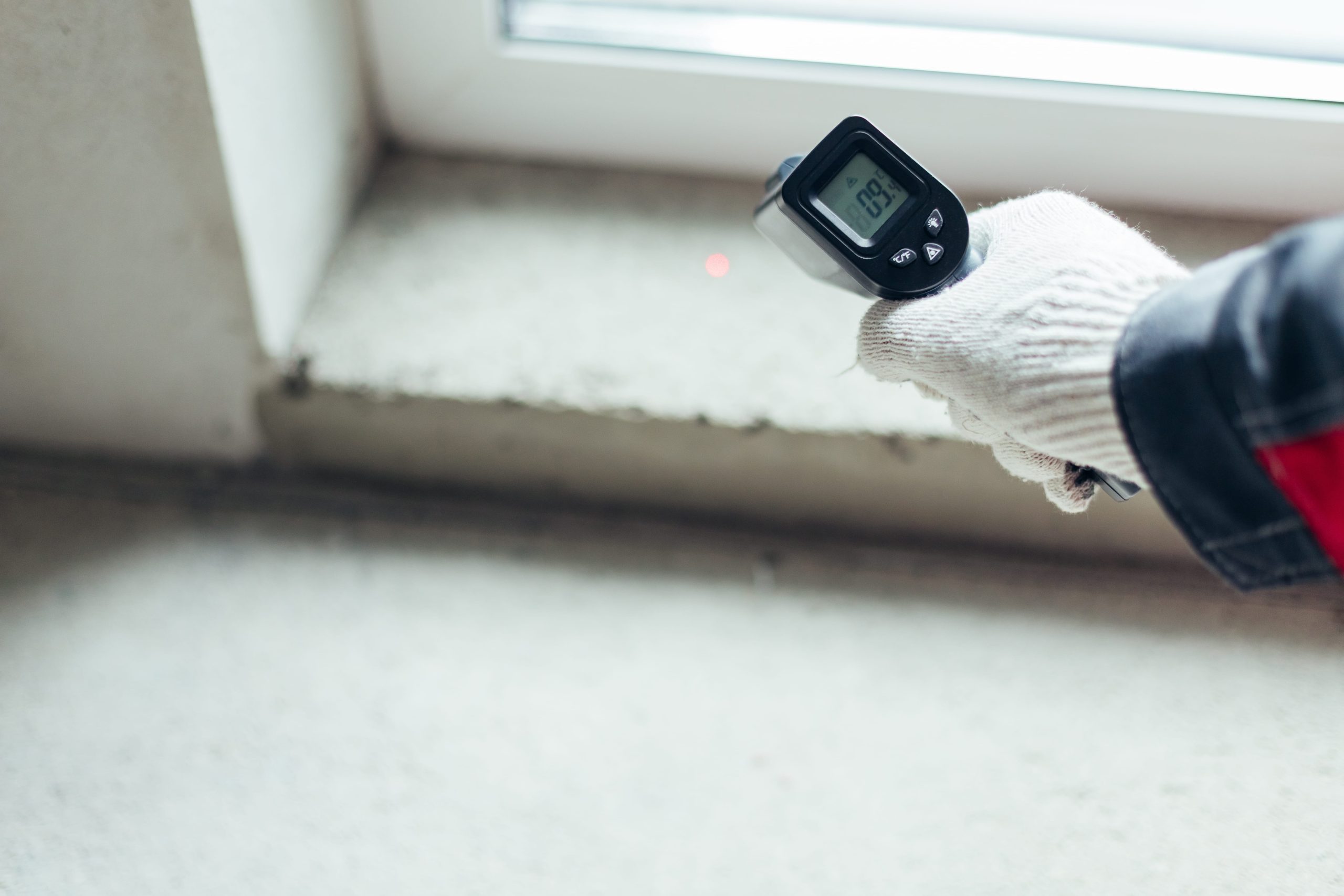
Moisture ingress, leaks, structural defects and timber pest activity can remain hidden for months, even years, before any obvious signs of damage appear. By the time the problem becomes visible, the underlying damage can be significant and potentially expensive to repair.
However, identifying these issues can be difficult without the right tools and equipment. Moisture meters and thermal imaging cameras are two tools that inspectors can use to investigate areas that may otherwise go unnoticed. While they work in different ways, both can provide valuable information when assessing a property for potential hidden defects.
In this guide, we’ll break down what moisture meters and thermal imaging cameras actually measure, where each tool has limitations, and why BeSafe pairs technology with professional inspection and interpretation to help uncover potential problems before you commit to a property.
Why Hidden Defects Shouldn’t Be Overlooked
Not every building defect will be as visible as a crack in the wall or a leaking ceiling. Some problems develop gradually and remain concealed behind walls, beneath floors or within roof cavities, making them difficult to spot during a routine walk-through.
Across Sydney and greater NSW, properties are exposed to a range of conditions that can contribute to hidden building issues, from heavy rainfall and humidity to coastal exposure and the age of many established homes.
Moisture is a particularly important concern. Water ingress, plumbing leaks and prolonged exposure to damp conditions can contribute to timber deterioration, mould growth, corrosion and the breakdown of building materials. Over time, moisture can also damage paint, plaster and other internal finishes.
In some cases, hidden defects may point to more significant structural concerns that require further investigation. The extent and cost of repairs can vary considerably depending on the property’s age, construction, location and the cause and severity of the issue. Identifying potential problems early can therefore give buyers a clearer understanding of what they’re taking on.
💡For Sydney and NSW buyers, a pre-purchase inspection isn’t about assuming that every unusual finding means there’s a major problem. It’s about having the right information to understand the property’s condition, ask informed questions and determine whether further investigation is warranted before making a significant financial commitment.
Moisture Meter vs Thermal Imaging
| Moisture Meter | Thermal Imaging Camera | |
| What it measures | Moisture levels within suitable building materials | Surface temperature differences |
| Primary purpose | Helps identify elevated moisture | Helps identify unusual thermal patterns |
| Can help investigate moisture? | Yes. Directly measures/indicates moisture | Yes. Can highlight areas that may warrant investigation |
| Can see through walls? | No | No |
| Best used for | Confirming whether moisture is present in a specific area | Identifying areas that may require closer inspection |
| Limitations | Readings can vary depending on the material and conditions | Results can be affected by environmental conditions, materials and surface temperatures |
| Works best with | Visual inspection and other evidence | Moisture testing and visual inspection |
What Does a Moisture Meter Do?
A moisture meter is designed to detect or measure moisture within building materials, depending on the type of meter and material being tested. During an inspection, it can be used to investigate areas where there may be water ingress, plumbing leaks or elevated moisture levels.
Moisture meters can be particularly useful when assessing
- Walls and ceilings
- Floors and subfloor areas where accessible
- Timber and other moisture-sensitive materials
- Bathrooms, laundries and kitchens
- Areas around windows and external walls
- Locations showing staining, bubbling paint or other signs of potential water damage
A reading that is higher than expected can give an inspector an important reason to investigate further. However, a high moisture reading doesn’t automatically confirm a leak or building defect. Readings need to be considered in context, including the material being tested, surrounding conditions and other observations from the inspection.
Pin-Type vs Pinless Moisture Meters
Moisture meters generally fall into two broad categories: pin-type and pinless meters.
- Pin-type meters use small probes that make contact with, or penetrate, the material being tested to take a reading.
- Pinless meters use electromagnetic signals to assess moisture without requiring the same type of physical contact with the material.
Each approach has its advantages and limitations, and the most appropriate meter will depend on the material, location and circumstances of the inspection. This is another reason why a moisture reading should be interpreted by an experienced inspector rather than viewed as a standalone diagnosis.
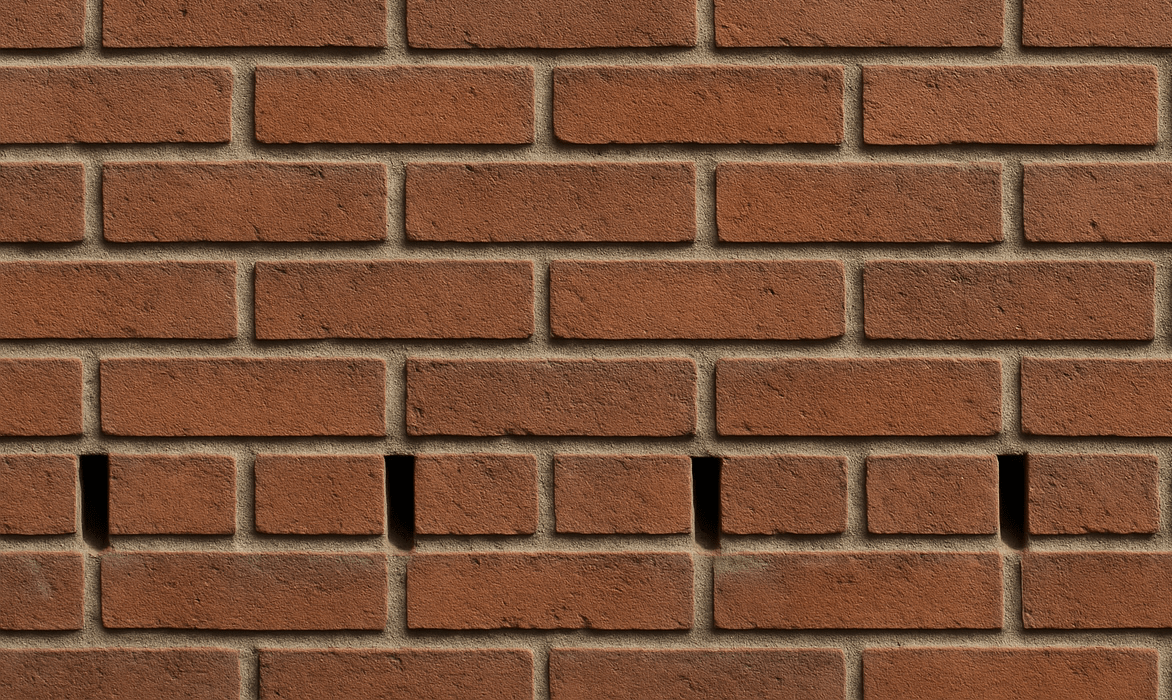
Moisture testing can be particularly valuable when investigating areas of brickwork where drainage may be compromised. Weep holes, for example, are designed to help water escape from a brick wall cavity, and a blocked or poorly functioning weep hole can contribute to moisture entering areas where it shouldn’t.
|
When Is a Moisture Meter Useful?
- Bathrooms, Laundries and Wet Areas: Showers, baths, toilets, vanities and plumbing connections are common areas for leaks and water ingress. Moisture readings can help identify areas that may require closer investigation, particularly where staining, damaged finishes or deterioration are present.
- Around Windows, Doors and External Walls: Water can enter through damaged seals, flashing or other weaknesses around external openings. Unusual moisture readings can provide an indication that further investigation may be needed.
- Ceilings and Areas Below Roofs: Moisture readings can help investigate staining or deterioration that may be linked to roof leaks or plumbing issues. Importantly, the source of moisture isn’t always directly above the visible damage, as water can travel through building materials.
- Timber and Moisture-Sensitive Materials: Elevated moisture levels in timber and other susceptible materials can indicate conditions that warrant closer inspection. A reading alone, however, doesn’t confirm the cause or severity of an issue.
How Thermal Imaging Cameras Work (and What They Actually See)
A thermal imaging camera measures surface temperature and displays differences in temperature as an image. This can help an inspector spot unusual areas that may not be obvious during a visual inspection.
While moisture can sometimes cause a surface to appear cooler due to evaporative cooling, a cooler area doesn’t automatically mean there is moisture present. The same temperature difference could be caused by a thermal bridge in the framing, air leaking around a power point, reflected sunlight from a nearby window or a hot water pipe inside a wall.
Depending on the conditions, thermal imaging may help identify:
- Unusual temperature patterns that could be associated with moisture
- Areas of potential heat loss
- Possible insulation deficiencies
- Air movement or leakage patterns
- Other unusual thermal anomalies
- Potential electrical hotspots, where relevant to the inspection scope
It’s also important to understand that thermal imaging isn’t an X-ray. A thermal camera can’t see through walls, floors or ceilings. It only captures the temperature at the surface. The images therefore need to be interpreted alongside the property’s construction, environmental conditions, visual observations and other inspection findings.
When Is Thermal Imaging Useful?
- Identifying Unusual Temperature Patterns: Thermal cameras can highlight temperature differences that may provide clues about moisture, insulation, air movement or other building conditions.
- Investigating Potential Moisture Issues: Moisture can sometimes create cooler surface temperatures through evaporative cooling. However, a thermal anomaly doesn’t automatically mean water damage. Other factors can produce similar patterns, so further investigation is often needed.
- Checking Insulation and Heat Loss: Thermal imaging may highlight areas of inconsistent temperature that could indicate potential insulation deficiencies or heat loss.
- Identifying Other Thermal Anomalies: Depending on the property and inspection conditions, thermal imaging may also help identify unusual heat patterns, air leakage or potential electrical hotspots where relevant.
What Can Affect the Accuracy of Moisture Meters and Thermal Imaging?
Moisture meters and thermal cameras can provide valuable information during a pre-purchase inspection, but their results are influenced by the conditions in which they are used. This is why readings and thermal images need to be interpreted in context rather than viewed in isolation.
- Weather and Environmental Conditions: Recent rain, humidity, temperature changes and direct sunlight can all affect what an inspector sees. For example, a recently wet property may produce different moisture readings, while sunlight can create temperature differences on surfaces that have nothing to do with a building defect.
- Building Materials and Construction: Different materials respond differently to moisture and temperature. Timber, masonry, plasterboard, tiles and insulation can all produce different readings or thermal patterns. The property’s construction therefore needs to be considered when interpreting results.
- Surface Conditions: Paint, tiles, coverings and other finishes can also influence readings. These surface characteristics may affect how heat is detected or how a moisture meter responds, which can limit what the equipment can tell an inspector.
- Access Limitations: Not every part of a property will be accessible during an inspection. Concealed spaces, restricted areas, fixed coverings and unsafe locations can prevent an inspector from taking readings or obtaining thermal images. As a result, an inspection can only assess areas that are reasonably accessible within its scope.
Common Misconceptions About Moisture Meters and Thermal Imaging
| “A Thermal Camera Can See Through Walls” | It can’t. A thermal camera detects surface temperature differences. It doesn’t provide an X-ray view of what’s behind a wall, beneath a floor or inside a ceiling. |
| “A High Moisture Reading Automatically Means There’s a Leak” | Not necessarily. Elevated readings can have different causes and need to be considered alongside the material, surrounding conditions and other inspection findings. |
| “Thermal Imaging Finds Every Hidden Defect” | Thermal imaging can identify unusual temperature patterns, but it can’t detect every concealed building problem. Its effectiveness depends on the property’s construction, environmental conditions and what is being investigated. |
| “These Tools Guarantee Nothing Will Be Missed” | No inspection technology can guarantee that every hidden defect will be identified. Building inspections are generally based on accessible areas and observable evidence, with further investigation recommended where a potential issue falls outside the inspection’s scope. |
Why Thermal Imaging and Moisture Readings Should Be Interpreted Together
Neither result provides a complete picture on its own. Relying on either technology in isolation can lead to an incomplete picture, particularly when investigating concealed moisture, leaks or potential building defects.
A thorough inspection considers these findings alongside visible signs of damage, the property’s construction and materials, recent weather conditions, plumbing layout and the location of the suspected issue. This context helps an inspector determine whether an unusual reading is likely to indicate a genuine concern or simply a normal variation in the building.
Moisture can also be relevant when investigating timber pest activity. Damp timber can create conditions that are favourable to termite activity, while thermal imaging may sometimes identify unusual heat patterns associated with active termite activity.
However, the absence of a thermal signature doesn’t rule out termites. An inactive, treated or concealed nest may not produce a detectable heat pattern, even if evidence of timber pest activity or damage remains.
Make an Informed Decision Before You Buy
A thermal image, a moisture reading or even a visible defect is only one part of the picture. What matters is understanding what the finding means, what may have caused it and whether it warrants further investigation.
For Sydney and NSW property buyers, that context can make a significant difference. Older homes, renovations, wet areas, roof spaces and properties exposed to coastal or wet conditions can all present different challenges, and no single inspection tool can identify every potential issue.
Thermal imaging and moisture meters are most effective when they’re used as part of a broader inspection process. One can highlight an area that looks unusual, while the other can provide additional evidence to help assess what’s happening. Combined with visual inspection and professional experience, this gives buyers a more informed basis for deciding what to do next.
Buying a property is a big decision. The more you understand about its condition before you commit, the fewer surprises you’re likely to face later.
| A property viewing only tells you what you can see. A professional building and pest inspection can help uncover issues that may otherwise go unnoticed. Let BeSafe take a closer look. Our building and pest inspections combine thorough assessment with the right inspection tools to help you understand the property’s condition before you make your decision.
Book your pre-purchase building and pest inspection today. |
Frequently Asked Questions
Can a thermal imaging camera see through walls?
No. A thermal imaging camera measures surface temperature only. It cannot see through building materials or detect what’s inside a wall cavity. It can flag a temperature difference on the surface that might be worth investigating further with a moisture meter or visual inspection.
Is thermal imaging better than a moisture meter for a building inspection?
Neither is better; they measure different things. Thermal imaging scans large areas quickly to flag possible problem spots. A moisture meter then confirms whether moisture is actually present. A thorough inspection uses both, not one instead of the other.
Does thermal imaging detect termites?
Only under specific conditions. A large, active termite colony can generate enough metabolic heat to show up on a thermal camera, but a small or dispersed colony, or a nest that’s already inactive, produces no detectable heat signature and won’t appear on a thermal scan.
What does a moisture meter actually measure in a home inspection?
A moisture meter measures the moisture content inside a material at the point of contact, such as timber framing, skirting boards or brickwork. Pin-type meters use two probes to measure electrical resistance, while pinless meters scan the surface without puncturing it.
Do all pre-purchase building inspections in Sydney include thermal imaging?
Not automatically; it depends on the inspector. Some treat it as a standard part of a non-invasive inspection under AS 4349.1, while others charge it separately or leave it out. BeSafe includes both thermal imaging and moisture meter checks as standard on every pre-purchase report.
Can thermal imaging or a moisture meter replace an invasive inspection?
No. Both are non-invasive tools used to identify areas that may warrant a closer look. If a thermal scan or moisture reading flags a serious concern, an invasive inspection, which involves accessing wall cavities or subfloor areas directly, may be recommended as a separate, consent-based step.
Featured news articles

How to Choose a Building Inspector in Sydney
Buying property in Sydney? Learn how to choose the right building inspector, what to check, key red flags and when to book a building and pest inspection.
Dilapidation Reports: What They Are and Why Property Owners Need Them
Learn what a dilapidation report is, why it’s essential before construction or demolition, and how it protects property owners from damage claims and disputes.
What are Weep Holes in Brickwork? Why Pre-Purchase Building Inspections Are Important
Learn what weep holes are, why they are vital for your home’s structural integrity, and how professional property inspections can prevent costly moisture and pest damage.

What is a Strata Report? Your Essential Guide Before Buying Property
Discover what a strata report is and why it’s crucial before buying a strata-titled property. Learn how it reveals financial, legal, and management insights to protect your investment.

How To Spot Drainage Problems: 9 Warning Signs To Look For Before Making A Purchase
Discover the 9 most common drainage issues to spot before purchasing a property. Protect your investment, learn expert tips to avoid costly repairs. Read now!

Top 7 Building Defects Found in New Sydney Properties: How to Spot Them
New doesn’t always mean defect-free. In Sydney’s booming property market, construction issues are more common than many buyers realise. From waterproofing failures to structural cracks, this guide breaks down the 7 most frequent defects found in new builds, and how to detect them before they escalate.

Pre-Purchase Building Inspection vs Pest Inspection: What You Need To Know
Buying property? Learn the key differences between pre-purchase building inspections and pest inspections, and why relying on just one could leave you exposed. Learn how these two essential inspections work together to give you a complete picture of a property’s condition, uncover hidden risks, and help you make a confident, informed investment decision.

Ultimate Personal Property Inspection Checklist Before Booking an Inspection
Discover why having a personal property inspection checklist is essential before booking a professional inspection. Taking the time to walk through a property with your own checklist allows you to identify areas of concern, prioritise your questions, and ensure nothing is overlooked. While it won’t replace the expertise of a licensed inspector, it empowers you to approach the inspection process with greater clarity and confidence.

First-Time Buyer’s Guide to Property Inspections in Sydney
Purchasing your first home in Sydney? Don’t skip the property inspection. This comprehensive guide provides key insights into what to expect during an inspection, common issues to be aware of, and how a professional assessment can protect your investment and save you money in the future.

The Impact of Sydney’s Building Boom on Inspection Standards
Sydney’s building boom is fueling rapid development, but it’s also raising concerns about the integrity of both NSW building standards and inspection quality. As construction accelerates, reports of defects are on the rise, raising concerns about the long-term integrity of new properties. With increasing pressure on the construction industry, learn how this affects inspection standards and what it means for property buyers.

How Much Does A Building Inspection Cost In Sydney?
A building inspection is an essential step in the Sydney property purchasing process, providing buyers with critical insights into potential structural issues and hidden defects. Inspection costs vary based on property size, type, and additional services required. This guide offers a comprehensive overview of building inspection pricing, key cost factors, and strategies to ensure purchasers receive the best value for their investment.
Should You Be Present at a Building & Pest Inspection? What You Need To Know
When you’re in the process of buying a property, a building and pest inspection is a crucial step in making sure you’re making a sound investment. However, one common question is whether it is necessary to attend the inspection in person. While it may seem convenient to forgo being present, attending the inspection offers valuable opportunities to gain insights directly from the expert.

What Is An Unsatisfactory Building Inspection?
An unsatisfactory building inspection can uncover hidden issues that may impact your property purchase. From structural concerns to plumbing and electrical problems, understanding what these findings mean and how to handle them is crucial.

Signs It’s Time To Walk Away From A Property
Investing in a property is exciting, but hidden building faults, pest damage, and financial red flags can all indicate it’s time to reconsider your choice. Understanding these crucial warning signs can help protect your investment and ensure you find a home that meets your needs

What Does a Building and Pest Inspection Cover?
A building and pest inspection is vital for any property transaction. This guide covers what these inspections include, from structural assessments to pest detection, and explains why they’re essential for safeguarding your investment. Learn about the advantages of professional inspections and find out how BeSafe Inspections can help ensure your property is in top condition.
Introducing our new strata inspector
BeSafe’s Strata Inspector Tina has joined the team to help us expand our capacity for delivering strata reports to unit and apartment buyers in Sydney.
Why Sydney homebuyers need independent property inspection reports
Property inspection reports are essential for Sydney buyers who want to ensure they get exactly what they are paying for.

Before you buy: Is your new house hiding leaks?
If you’re looking to buy a home in Sydney, a pre-purchase building inspection is vital to detect household leaks and rising damp.

Common Defects Found In Buildings
If you’re in the process of purchasing a new property, it can be daunting to consider the repairs it may need. Discover the most common building defects, their causes, and how to address them effectively to make informed decisions and protect your investment.
Building Inspections
Looking to purchase a property but wondering if you actually really need a building inspection

The Cause Of Wall Cracks
Understanding the cause requires consideration of a large number of factors

Cracks in Buildings
The sight of cracking can set off alarm bells in anyone considering purchasing a property