

 (02) 9410-3740
 info@besafeinspections.com.au


Waterproofing is one of the most critical components of any apartment building, yet it is also one of the most overlooked. Hidden beneath tiles, behind walls and within structural elements, waterproofing systems are designed to prevent moisture from penetrating areas where it can cause significant damage.
When these systems fail, the consequences can be extensive, resulting in costly repairs that may affect multiple apartments as well as common property.
At BeSafe, waterproofing is the most common serious defect our inspectors identify in NSW apartment buildings. This reflects a broader industry trend. According to NSW Building Commission’s 2023 strata survey, failed waterproofing membranes in balconies, bathrooms, roofs and basements were found in 42% of strata buildings, making waterproofing defects almost twice as common as the next most frequently reported defect (fire safety).
Whether you own, manage or are considering purchasing an apartment in Sydney or on the Central Coast, there’s a strong possibility your building may already be affected by one of these issues, even if there are no obvious signs yet.
Early identification is essential.
In this guide, we’ll explore the most common waterproofing defects found in NSW apartments, explain what causes them, highlight the warning signs to look for, and discuss how a professional building inspection can identify problems before they become far more expensive to rectify.
Want to learn about other issues that can affect apartment buildings? Our guide to the most common defects in new Sydney properties, where we cover the broader range of construction issues buyers and owners should be aware of.
Key Takeaways
- Waterproofing defects are the most common serious issue identified in NSW apartment buildings and can affect bathrooms, balconies, roofs, basements and other wet areas.
- Many waterproofing problems remain hidden until visible signs such as leaks, mould or water stains appear, by which time significant damage may have already occurred.
- Poor workmanship, incorrect installation, ageing membranes, structural movement and inadequate maintenance are among the leading causes of waterproofing failures.
- Waterproofing and weatherproofing are different systems, each protecting different parts of a building and governed by different Australian Standards.
- Balconies, bathrooms, roofs and basements are the areas most vulnerable to waterproofing defects in apartment buildings.
- Early warning signs include damp or musty odours, bubbling paint, lifting tiles, cracked grout, water pooling and efflorescence on concrete or brickwork.
- Australian Standards AS 3740 and AS 4654, together with the National Construction Code (NCC), set the requirements for waterproofing in residential buildings.
- Responsibility for repairs depends on the source of the defect, with many original waterproofing systems forming part of the building’s common property and maintained by the owners’ corporation.
- Early detection can significantly reduce repair costs, helping prevent extensive structural damage and more complex remediation works.
- A professional building inspection is one of the most effective ways to identify hidden waterproofing defects before they become major problems, giving buyers, owners and strata committees greater confidence and peace of mind.
Why Are Waterproofing Defects So Common in NSW Apartments?
Installed beneath tiles, behind walls and within structural elements, waterproofing membranes are designed to create a barrier that prevents water from penetrating areas where it can damage concrete, timber, steel reinforcement and internal finishes. When installed correctly, these systems protect both individual apartments and shared building infrastructure from moisture-related deterioration.
Unlike cosmetic issues, waterproofing failures often remain hidden for months or even years before the first signs of damage appear. By the time water stains, mould or leaks become visible, moisture may have already caused extensive damage behind walls, beneath flooring or within the building’s structure.
- Poor Workmanship and Installation Errors: Waterproofing is only as effective as its installation. Even high-quality products can fail if surfaces aren’t properly prepared, membranes are applied incorrectly, or critical areas like floor wastes, pipe penetrations and wall junctions aren’t sealed correctly. Because waterproofing is hidden beneath tiles and finishes, these defects often remain undetected until leaks occur.
- Construction Pressures and Poor Building Practices: Tight construction schedules and reliance on multiple subcontractors have contributed to an increase in waterproofing defects across NSW apartments. Rushed installation, insufficient curing time and limited quality control can all result in problems that only become apparent years after construction.
- Complex Apartment Building Design: Apartment buildings feature numerous balconies, rooftops, basements and external junctions where different building materials meet. These complex areas require precise waterproofing detailing, and even small installation errors can allow water to penetrate the building.
- Non-Compliance with Building Standards: Waterproofing must comply with the National Construction Code (NCC) and relevant Australian Standards. Failure to meet these requirements can significantly increase the risk of leaks and premature membrane failure, particularly where independent inspections aren’t carried out during construction.
- Ageing Waterproofing Systems: Waterproofing membranes don’t last forever. Over time, exposure to moisture, UV, temperature changes, and normal building movement causes membranes and sealants to deteriorate, increasing the likelihood of leaks.
- Building Movement and Settlement: All buildings experience some movement as materials expand, contract and settle. Excessive movement or cracking can place stress on waterproofing membranes, causing them to split or separate and allowing water to enter.
- Lack of Maintenance and Poor Repairs: Blocked drains, deteriorated sealants and cracked grout can all compromise a waterproofing system. Similarly, temporary repairs that treat the symptoms rather than the source of a leak often allow the underlying problem to worsen over time.
Why Apartment Buildings Are Particularly Vulnerable
Unlike a detached house, apartment buildings contain multiple wet areas stacked across numerous levels, shared structural elements and extensive common property. Water entering through a failed balcony membrane, rooftop waterproofing system or bathroom may travel between floors and into neighbouring apartments before the source of the leak is identified.
This interconnected design means a single waterproofing defect can affect multiple owners, increase strata repair costs and require complex investigations to determine both the source of the leak and responsibility for repairs.
For this reason, waterproofing remains one of the highest-risk defects identified during apartment building inspections. Early detection through a comprehensive building inspection can help identify hidden moisture issues before they escalate into widespread structural damage and costly remediation works.
Waterproofing vs Weatherproofing: Two Different Problems
Often grouped together as “water damage,” waterproofing and weatherproofing are two different building systems that protect against water in different ways. Understanding this distinction is important because each system serves a different purpose, is governed by different standards, and fails in different ways.
- Waterproofing is designed to contain water in wet areas and trafficable surfaces such as bathrooms, balconies and decks. These areas rely on waterproof membranes installed beneath tiles or other finishes to prevent water from penetrating the building structure.
- Weatherproofing, on the other hand, protects the building envelope from external elements. It includes roofs, box gutters, flashings, external walls and other components designed to keep rainwater out of the building altogether.
| Waterproofing | Weatherproofing |
| Protects bathrooms, balconies, decks and other wet areas | Protects the building envelope, including roofs, box gutters and external walls |
| Prevents water from penetrating internal structures | Prevents rainwater from entering from outside |
| Governed by AS 3740 and AS 4654 | Governed by the National Construction Code (NCC) and relevant drainage standards |
| Common failures include damaged membranes and poor drainage falls | Common failures include defective flashings, overflowing box gutters and façade cracks |
Common Waterproofing Defects Found in NSW Apartments
Balcony and Deck Waterproofing Defects
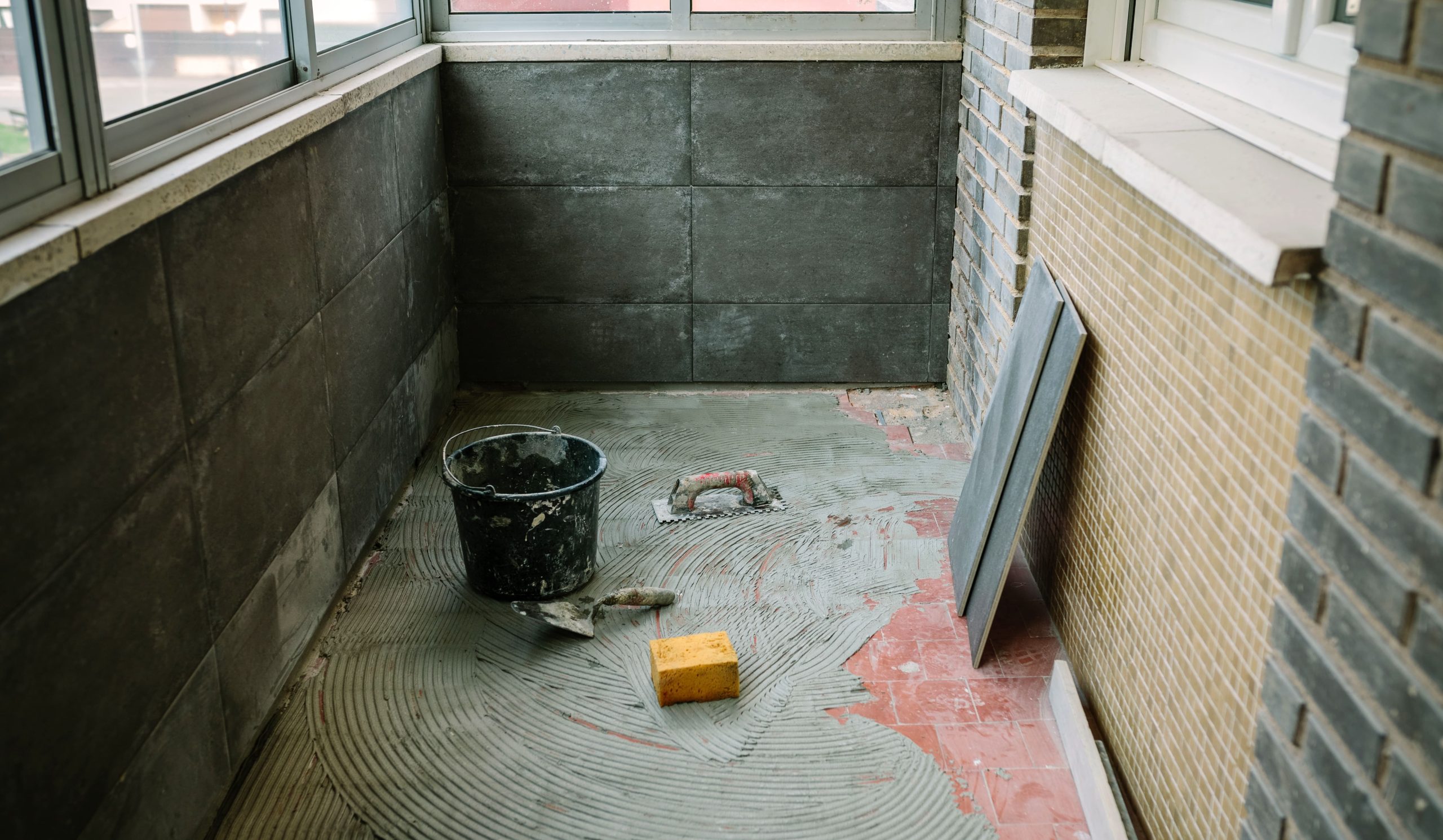
Balconies are one of the most common locations for waterproofing failures. Beneath the tiles or pavers is a waterproof membrane that directs water towards the drainage outlet. If the membrane is damaged, incomplete or installed with inadequate falls, water can pond on the slab before gradually penetrating the concrete.
Over time, exposure to UV, temperature changes, and regular foot traffic naturally degrades waterproofing membranes. Early warning signs include cracked grout, lifting tiles, persistent ponding after rain or water stains appearing on the ceiling of the apartment below. Left untreated, what begins as a relatively minor membrane repair can develop into major structural remediation.
Bathroom and Wet Area Waterproofing Failures
Bathrooms rely on waterproof membranes to prevent water from escaping into surrounding walls and floors. The most common failures occur when membranes aren’t installed correctly around floor wastes, shower hobs, wall junctions or pipe penetrations, or when the floor doesn’t fall adequately towards the drain.
Because these defects are hidden beneath tiles, they’re often not discovered until secondary damage appears. Common warning signs include persistent musty odours, mould growth, bubbling paint, damp walls or water staining in adjoining rooms or the apartment below.
Roof, Box Gutter and Podium Waterproofing Issues
Waterproofing problems aren’t limited to bathrooms and balconies. Roofs, podium decks and planter boxes are equally vulnerable if waterproofing systems deteriorate or drainage components fail.
Overflowing box gutters, defective flashings and damaged rooftop membranes frequently allow water to enter from above, while failed waterproofing beneath podium decks and planter boxes can result in leaks into occupied spaces below. Because water can travel significant distances within a building, the source of the leak isn’t always directly above the visible damage.
Basement Waterproofing Failures
Basements and underground car parks face a different challenge altogether: groundwater pressure. Waterproofing systems below ground are designed to resist hydrostatic pressure, but ageing membranes, structural cracks or inadequate installation can allow moisture to penetrate retaining walls and concrete slabs.
One of the earliest warning signs is efflorescence, the white, powdery mineral deposits that appear on concrete surfaces. Damp patches, pooling water and mould growth are also common indicators that basement waterproofing may be failing.
Want to learn more? We’ve also covered the role of weep holes in brickwork and the most common drainage problems found in NSW apartment buildings. Both play an important role in managing water around a building and are often closely linked to waterproofing failures.
| Area | Typical defect | Warning sign | Governing standard |
| Balcony or deck | Membrane failure under tiles, poor falls | Ceiling stains in the unit below, lifting tiles | AS 4654 |
| Bathroom or wet area | Incomplete membrane, missing puddle flange | Musty smell, bubbling paint next door | AS 3740 |
| Roof or box gutter | Overflow, undersized rainheads | Water stains on top-floor ceilings | NCC weatherproofing provisions |
| Basement or podium | Hydrostatic pressure, planter box failure | Efflorescence, wet patches on car park floor | AS 4654, NCC |
What Standards Govern Waterproofing in NSW Apartments?
Waterproofing in NSW apartment buildings, while considered best practice, is also governed by strict Australian Standards and the National Construction Code (NCC). These standards set out how waterproofing systems should be designed and installed to protect buildings from water ingress and long-term structural damage.
The two primary standards are:
- AS 3740: Covers waterproofing requirements for internal wet areas, including bathrooms, laundries and other areas exposed to regular moisture.
- AS 4654: Covers external above-ground waterproofing, including balconies, terraces, podium decks and other trafficable surfaces exposed to the weather.
Both standards are referenced by the NCC and outline requirements for membrane installation, drainage, falls and detailing around penetrations and junctions. Failure to comply with these requirements can significantly increase the risk of waterproofing failure.
In some circumstances, defective waterproofing that doesn’t meet the required standards may be considered a major defect under the Home Building Act 1989, attracting a six-year statutory warranty period, rather than the standard two years that applies to other building defects.
Who Is Responsible for Waterproofing Repairs?
Determining responsibility for a waterproofing defect depends on where the defect is located and whether it relates to the original construction or subsequent renovation work.
In most apartment buildings, waterproofing that formed part of the original construction, such as balcony membranes, roof membranes, basement waterproofing and many bathroom membranes, is considered common property. Under the Strata Schemes Management Act 2015, the owners’ corporation is generally responsible for maintaining and repairing these systems.
However, if the waterproofing defect arises from renovation work carried out by an individual lot owner, responsibility may shift to that owner, particularly where the original waterproofing system has been altered or damaged.
| Area | Common property or lot owner | Notes |
| Original balcony membrane | Common property | Owners corporation must maintain and repair under section 106 |
| Original bathroom membrane | Common property | Same duty applies, unless the owner altered it |
| Bathroom altered by an owner’s renovation | Lot owner | Responsibility generally shifts with the unapproved work |
| Roof membrane and box gutters | Common property | Owners corporation’s responsibility |
| Basement and car park waterproofing | Common property | Owners corporation’s responsibility |
Where responsibility is unclear, or multiple parties are involved, disputes may arise between owners, builders and the owners’ corporation. If an agreement cannot be reached, matters are often resolved through the NSW Civil and Administrative Tribunal (NCAT).
If you’re already in a dispute over who caused the damage, a dilapidation report creates the independent record you’ll need, and a strata report will tell you whether the owners’ corporation has a track record of deferring exactly this kind of repair.
How Much Do Waterproofing Defects Cost to Fix?
The cost of repairing a waterproofing defect depends largely on when it’s identified. When caught early, repairs are often relatively straightforward and may involve replacing sealants, repairing sections of membrane or addressing drainage issues before water causes further damage.
However, once water has penetrated walls, ceilings or structural elements, repair costs can increase significantly. What may have started as a minor waterproofing issue can quickly escalate into a much larger project involving the removal of tiles, cabinetry, flooring or wall linings, along with repairs to surrounding apartments or common property if the leak has spread.
This is why early detection is so important. Waterproofing defects rarely improve on their own, and the longer they’re left untreated, the greater the likelihood of widespread damage and more complex remediation works.
Warning Signs You Shouldn’t Ignore
Many waterproofing defects develop gradually, making them easy to dismiss until the damage becomes more severe. If you notice any of the following, it’s worth arranging a professional inspection:
- Persistent musty or damp odours
- Water stains, bubbling paint or peeling finishes
- Loose, cracked or lifting tiles and grout
- White, powdery deposits (efflorescence) on concrete or brickwork
- Water pooling on balconies or around drains
- Reports of leaks or staining from neighbouring apartments
What to do next
- Photograph and date every warning sign you notice, including the exact location.
- Report common property issues to your strata manager in writing, not just verbally.
- Book an independent building and pest inspection rather than relying on the developer’s own sign-off, especially before settlement.
- If you’re settling on a new apartment, ask whether a handover report has already flagged anything in your unit or in the common areas.
- Check your warranty window before you assume it’s too late. Major defects run 6 years under the Home Building Act, and common property claims now run 6 years too.
Protect Your Apartment from Costly Waterproofing Defects
Waterproofing defects are among the most common and potentially expensive issues affecting NSW apartment buildings. While they often begin as hidden problems, they can quickly escalate into widespread water damage, mould growth and costly structural repairs if left unchecked.
Fortunately, many waterproofing issues can be identified early through a thorough building inspection. Whether you’re buying an apartment, managing a strata property or concerned about signs of moisture in your existing home, identifying defects before they worsen can save significant time, money and stress.
At BeSafe, our experienced inspectors assess the key areas where waterproofing failures are most likely to occur, helping buyers, owners and strata committees understand the condition of a property and make informed decisions. If you’re looking for peace of mind before purchasing or want to investigate a suspected waterproofing issue, contact BeSafe today to book a comprehensive building inspection. Early action is the best way to protect your investment and avoid costly surprises later.
Featured news articles

How to Choose a Building Inspector in Sydney
Buying property in Sydney? Learn how to choose the right building inspector, what to check, key red flags and when to book a building and pest inspection.
Dilapidation Reports: What They Are and Why Property Owners Need Them
Learn what a dilapidation report is, why it’s essential before construction or demolition, and how it protects property owners from damage claims and disputes.
What are Weep Holes in Brickwork? Why Pre-Purchase Building Inspections Are Important
Learn what weep holes are, why they are vital for your home’s structural integrity, and how professional property inspections can prevent costly moisture and pest damage.

What is a Strata Report? Your Essential Guide Before Buying Property
Discover what a strata report is and why it’s crucial before buying a strata-titled property. Learn how it reveals financial, legal, and management insights to protect your investment.

How To Spot Drainage Problems: 9 Warning Signs To Look For Before Making A Purchase
Discover the 9 most common drainage issues to spot before purchasing a property. Protect your investment, learn expert tips to avoid costly repairs. Read now!

Top 7 Building Defects Found in New Sydney Properties: How to Spot Them
New doesn’t always mean defect-free. In Sydney’s booming property market, construction issues are more common than many buyers realise. From waterproofing failures to structural cracks, this guide breaks down the 7 most frequent defects found in new builds, and how to detect them before they escalate.

Pre-Purchase Building Inspection vs Pest Inspection: What You Need To Know
Buying property? Learn the key differences between pre-purchase building inspections and pest inspections, and why relying on just one could leave you exposed. Learn how these two essential inspections work together to give you a complete picture of a property’s condition, uncover hidden risks, and help you make a confident, informed investment decision.

Ultimate Personal Property Inspection Checklist Before Booking an Inspection
Discover why having a personal property inspection checklist is essential before booking a professional inspection. Taking the time to walk through a property with your own checklist allows you to identify areas of concern, prioritise your questions, and ensure nothing is overlooked. While it won’t replace the expertise of a licensed inspector, it empowers you to approach the inspection process with greater clarity and confidence.

First-Time Buyer’s Guide to Property Inspections in Sydney
Purchasing your first home in Sydney? Don’t skip the property inspection. This comprehensive guide provides key insights into what to expect during an inspection, common issues to be aware of, and how a professional assessment can protect your investment and save you money in the future.

The Impact of Sydney’s Building Boom on Inspection Standards
Sydney’s building boom is fueling rapid development, but it’s also raising concerns about the integrity of both NSW building standards and inspection quality. As construction accelerates, reports of defects are on the rise, raising concerns about the long-term integrity of new properties. With increasing pressure on the construction industry, learn how this affects inspection standards and what it means for property buyers.

How Much Does A Building Inspection Cost In Sydney?
A building inspection is an essential step in the Sydney property purchasing process, providing buyers with critical insights into potential structural issues and hidden defects. Inspection costs vary based on property size, type, and additional services required. This guide offers a comprehensive overview of building inspection pricing, key cost factors, and strategies to ensure purchasers receive the best value for their investment.
Should You Be Present at a Building & Pest Inspection? What You Need To Know
When you’re in the process of buying a property, a building and pest inspection is a crucial step in making sure you’re making a sound investment. However, one common question is whether it is necessary to attend the inspection in person. While it may seem convenient to forgo being present, attending the inspection offers valuable opportunities to gain insights directly from the expert.

What Is An Unsatisfactory Building Inspection?
An unsatisfactory building inspection can uncover hidden issues that may impact your property purchase. From structural concerns to plumbing and electrical problems, understanding what these findings mean and how to handle them is crucial.

Signs It’s Time To Walk Away From A Property
Investing in a property is exciting, but hidden building faults, pest damage, and financial red flags can all indicate it’s time to reconsider your choice. Understanding these crucial warning signs can help protect your investment and ensure you find a home that meets your needs

What Does a Building and Pest Inspection Cover?
A building and pest inspection is vital for any property transaction. This guide covers what these inspections include, from structural assessments to pest detection, and explains why they’re essential for safeguarding your investment. Learn about the advantages of professional inspections and find out how BeSafe Inspections can help ensure your property is in top condition.
Introducing our new strata inspector
BeSafe’s Strata Inspector Tina has joined the team to help us expand our capacity for delivering strata reports to unit and apartment buyers in Sydney.
Why Sydney homebuyers need independent property inspection reports
Property inspection reports are essential for Sydney buyers who want to ensure they get exactly what they are paying for.

Before you buy: Is your new house hiding leaks?
If you’re looking to buy a home in Sydney, a pre-purchase building inspection is vital to detect household leaks and rising damp.

Common Defects Found In Buildings
If you’re in the process of purchasing a new property, it can be daunting to consider the repairs it may need. Discover the most common building defects, their causes, and how to address them effectively to make informed decisions and protect your investment.
Building Inspections
Looking to purchase a property but wondering if you actually really need a building inspection

The Cause Of Wall Cracks
Understanding the cause requires consideration of a large number of factors

Cracks in Buildings
The sight of cracking can set off alarm bells in anyone considering purchasing a property