

 (02) 9410-3740
 info@besafeinspections.com.au


A pre-purchase building inspection can reveal issues that significantly influence your decision to buy a property. If the report identifies suspected asbestos-containing material, you may have concerns about potential health risks, remediation costs and whether proceeding with the purchase is the right decision. However, an asbestos warning does not necessarily mean the property is unsuitable to buy.
Asbestos remains present in an estimated one in three Australian homes, according to the Asbestos Safety and Eradication Agency. Although its use was progressively restricted and eventually banned nationally on 31 December 2003, many older properties may still contain asbestos.
A standard pre-purchase building inspection is primarily a visual assessment. While an inspector may identify materials suspected of containing asbestos, further specialist assessment and testing may be required to confirm their composition. The appropriate next steps depend on the findings, the potential costs involved and your contractual obligations as a buyer.
If asbestos is flagged in your report, knowing what to do next can help you avoid unnecessary costs and protect your position as a buyer. Below, we explain the practical steps to take, what to consider when negotiating with the seller, and how your options may differ under NSW property contracts. With the right information and advice, you can make a well-informed decision about whether to proceed, renegotiate or reconsider the purchase.
Key Takeaways
- An asbestos finding does not automatically rule out a property. The level of risk depends on the material’s condition, location and likelihood of disturbance.
- A standard building inspection may not confirm asbestos. Specialist assessment and laboratory testing may be required to verify its presence.
- Suspected asbestos should remain undisturbed. Avoid cutting, drilling, sanding or breaking the material until it has been appropriately assessed.
- Obtain written assessment findings and cost estimates. These help clarify the extent of the issue, potential remediation costs and any additional work required.
- Negotiation may be possible. Buyers can request a price reduction or ask the seller to arrange removal, although the outcome depends on the circumstances and contract terms.
- Understand your contractual rights and deadlines. In NSW, options following an asbestos finding depend on the contract and any applicable cooling-off period. Seek legal advice before taking action.
- Assess the property’s long-term implications. Asbestos may affect renovation budgets, insurance coverage and resale considerations.
- Arrange an independent pre-purchase inspection. BeSafe helps buyers assess a property’s condition and identify potential concerns before proceeding with a purchase.
Is Asbestos in a Building Inspection Report a Deal Breaker?
Not always. The presence of asbestos does not automatically make a property unsafe to occupy or unsuitable to purchase. The more important considerations are the material’s condition, its location and whether it is likely to be disturbed.
For example, intact asbestos cement sheeting on an outbuilding may be manageable if it can remain undisturbed. By contrast, deteriorating pipe insulation in a roof space or asbestos-containing materials that need to be removed for planned renovations may require more urgent attention and a greater financial commitment.
Before making a decision, establish where the suspected material is located, whether it is damaged, whether further testing is needed and what your intended use of the property would involve. You should also consider any other significant defects identified in the inspection report, as these may affect the overall cost and suitability of the purchase.
The key is to assess the actual risk and potential costs rather than making a decision based on the asbestos warning alone. If further investigation is required, arrange it as early as possible and seek legal advice about any relevant contractual deadlines before deciding whether to proceed, negotiate or reconsider the purchase.
Which Australian Homes Are Most Likely to Contain Asbestos?
Asbestos was widely used in Australian residential construction because it was durable, fire-resistant and relatively inexpensive. Although its use was phased out over time, asbestos-containing products were officially banned on 31 December 2003.
Asbestos products were used widely in Australian homes from the 1940s into the 1980s. Homes built before 1990 can contain asbestos, and the older the house, the higher the likelihood. Fibro cottages, post-war homes and older houses with original roofing, wall cladding or wet-area linings are common examples.
A property’s age is an indicator of potential risk, not proof that asbestos is present or absent.
Renovations can make identification more difficult as well. New paint, tiles or replacement finishes may conceal older asbestos-containing materials, which can be uncovered during demolition or refurbishment. For this reason, buyers should consider the property’s construction history alongside the findings of their pre-purchase building inspection.
In NSW, buyers should pay particular attention to properties built before 1985, as these may be affected by loose-fill asbestos insulation. Check the relevant warning in the contract for sale and consult the NSW loose-fill asbestos insulation register where appropriate. Loose-fill insulation presents different risks from bonded asbestos products because its fibres can be released more readily.
Other common areas include:
| Area of the home | Where asbestos may be found | What buyers should know |
| External walls | Fibro cladding and sheeting | Check for cracking, weathering and broken edges |
| Eaves and soffits | Cement sheet linings | Often painted over, so appearance alone proves nothing |
| Roof | Corrugated cement roofing | Weathering can degrade the surface over time |
| Bathrooms, laundries, kitchens | Wall linings, tile backing, vinyl flooring and some older adhesives | Most likely to be disturbed in a renovation |
| Garages, sheds, fences | Cement sheet panels | Easy to overlook, and often damaged |
| Roof space and wall cavities | Loose-fill insulation (pre-1985 homes) | Check the contract warning and the NSW register |
| Pipes, hot water systems, stoves | Lagging and insulation | Friable if deteriorated |
Friable vs Non-Friable Asbestos
Not all asbestos-containing materials present the same level of exposure risk.
- Non-friable (bonded) asbestos has its fibres locked into a solid material such as cement sheeting. When intact and undisturbed, these products generally present a lower risk of releasing airborne fibres.
- Friable asbestos can be crumbled or reduced to powder by hand when dry, so it releases fibres far more easily. Examples may include certain forms of pipe insulation, sprayed coatings and loose-fill insulation. Because fibres can be released more readily, friable asbestos generally presents a greater exposure risk and requires specialist handling.
Both still contain risk. Non-friable asbestos can become friable when it crumbles or is damaged by breaking, cutting, drilling or sanding. And the NSW Government points out there is no known safe level of asbestos exposure. Intact, stable material carries a much lower exposure risk than damaged material, but ‘lower’ isn’t ‘none’.
If a building inspection identifies suspected asbestos, avoid disturbing the material. A qualified asbestos professional can help establish what it is, assess its condition and recommend an appropriate management or removal strategy.
Do Pre-Purchase Building Inspections Check for Asbestos?
The Australian Standard for pre-purchase inspections, AS 4349.1-2007, does not require an inspector to inspect or report on asbestos. A standard pre-purchase building inspection is primarily a visual assessment of accessible areas. However, many inspectors may still note materials that look like they may contain it (based on age, appearance and location).
For a fuller picture of scope, see what a building and pest inspection covers.
What does an asbestos warning in a pre-purchase building report mean?
An asbestos warning in a pre-purchase building inspection report does not confirm that asbestos is present. In many cases, it means the inspector has identified a material that resembles products historically used in Australian construction and recommends further investigation. A suspected asbestos finding may have implications for your renovation plans, maintenance costs and purchasing decisions.
If confirmation is needed, an appropriately qualified asbestos professional can assess the material and arrange sampling where appropriate. Samples should be analysed by a suitably accredited laboratory to determine whether asbestos is present.
If your report flags suspected asbestos, the next step is to clarify the finding and determine whether specialist assessment is warranted. Not sure what your report is really telling you? Our inspectors can walk you through it. Call the BeSafe team on (02) 9410-3740 or request a quote.
What To Do If your Building Report Flags Suspected Asbestos?
An asbestos warning in your building inspection report calls for a measured response. Before negotiating with the seller or making a decision about the purchase, establish what the inspector has identified, understand your contractual deadlines and determine whether further assessment is necessary.
1. Leave the Suspected Material Undisturbed
Do not touch, cut, drill, sand or break suspected asbestos-containing materials, and do not attempt to collect a sample yourself. Disturbing asbestos can release fibres into the air, creating a potential inhalation hazard. If the material is damaged, deteriorating or surrounded by debris, avoid the affected area and seek advice from a suitably qualified asbestos professional. Intact, stable materials may be suitable for management in place, but this should be determined according to their condition and circumstances.
2. Read the Inspection Report Carefully
Review the exact wording of the asbestos finding to establish what the inspector observed and what remains uncertain.
- Material identification: Check whether the report states that asbestos is suspected, confirmed through testing or simply not assessed.
- Location: Identify exactly where the material was observed, such as external cladding, eaves, roofing or a ceiling lining.
- Condition: Look for references to cracking, deterioration, damage or exposed material that may warrant further assessment.
- Accessibility: Check whether the inspector notes inaccessible areas, such as roof cavities or concealed wall linings, that could not be assessed.
- Recommended action: Look for advice to arrange specialist testing, obtain an asbestos assessment or seek further professional guidance.
If anything is unclear, contact your inspector for clarification. Remember that a visual inspection alone cannot confirm the presence or absence of asbestos.
3. Check Your Contractual Deadlines
Before arranging further investigations, review your contract of sale and identify any upcoming deadlines. These may include a cooling-off period, a building inspection condition or the settlement date, depending on your circumstances.
Do not assume these deadlines will pause while you investigate the asbestos finding. If you need additional time to obtain a specialist assessment or negotiate with the seller, speak with your conveyancer or solicitor promptly.
Understanding your contractual position early gives you a clearer picture of the options available and helps you avoid making decisions under unnecessary time pressure.
4. Arrange a Specialist Asbestos Assessment if Needed
If you need confirmation of the material’s composition, condition or extent, arrange an assessment with an appropriately qualified asbestos professional. Where sampling is necessary, samples should be collected safely and analysed by a suitably accredited laboratory.
This will establish if asbestos is present, the location and approximate extent of the material, type of asbestos, it’s condition and whether management, repair, encapsulation or removal should be considered.
5. Obtain Written Findings and Cost Estimates
Once the material has been assessed, request written findings and, where relevant, an itemised quote for any recommended management or removal work.
The cost will depend on factors such as the material type, quantity, condition, accessibility, containment requirements and disposal arrangements. If removal is recommended, establish whether the quote includes disposal, replacement materials, reinstatement and any necessary clearance procedures.
Having this information in writing gives you a more reliable basis for assessing the financial implications of the finding and discussing possible arrangements with the seller.
6. Speak With Your Conveyancer or Solicitor
Before giving notice to terminate a contract, withholding settlement or agreeing to any changes with the seller, obtain legal advice about your position.
Your conveyancer or solicitor can explain whether your contract provides any relevant inspection or termination rights, what notification requirements apply and whether there is scope to negotiate a price adjustment or seller-arranged remediation.
An asbestos finding does not automatically entitle you to cancel a property purchase. Your available options will depend on the contract, applicable NSW law and the circumstances of the transaction.

Can You Negotiate the Price or Ask the Seller to Remove Asbestos?
In many cases you can ask the seller to reduce the purchase price or arrange asbestos removal before settlement, but there is no automatic right to a discount or seller-funded removal. Whether the seller agrees depends on the property market, competing offers, the inspection findings and the terms of your contract.
Before approaching the seller, gather the evidence needed to support your request. This may include:
- Your pre-purchase building inspection report.
- Written findings from a suitably qualified asbestos assessor.
- An itemised quote outlining the expected cost of removal, disposal and any reinstatement work.
- Details of related defects, such as moisture damage that has deteriorated asbestos-containing materials.
Your conveyancer can help present your request and ensure any agreement is documented in the contract or an appropriate written variation. Avoid relying on verbal promises or informal email exchanges.
What Are Your Options?
| Option | Level of control | Main consideration | Best suited to |
| Negotiate a price reduction | High. You choose the contractor, scope and timing of the work. | You take responsibility for arranging and paying for the work after settlement. | Buyers who want control over removal quality and timing, particularly if renovations are planned. |
| Ask the seller to arrange removal before settlement | Lower. You have less control over contractor selection and scheduling unless agreed otherwise. | Work may be rushed or incomplete if the scope, disposal requirements and clearance documentation are not specified. | Situations where the seller is willing to arrange the work and the requirements can be clearly documented. |
| Proceed without a price adjustment and manage the material later | High over the timing of future work, but you absorb the cost. | You take on the full financial responsibility and any associated disruption after settlement. | Buyers whose assessment confirms a manageable situation and whose budget accommodates the property as it stands. |
A price reduction can offer greater control because you can select an appropriately licensed removalist, agree on the scope and schedule the work around other renovations. However, seller-arranged removal may also be suitable if the work is properly specified and completed by appropriately qualified contractors.
If you agree to removal before settlement, establish exactly which materials must be addressed, who will carry out the work, how asbestos waste will be disposed of and what documentation must be provided on completion. Your conveyancer should ensure the agreement is recorded appropriately before you commit.
And, if you’re unsure whether it’s time to walk away, our guide to the signs it’s time to walk away from a property covers the wider picture.
How Asbestos Affects Renovations, Insurance and Resale Value
- Renovations: Demolition, bathroom and kitchen upgrades, roof replacement and flooring removal can disturb asbestos-containing materials. Arrange an assessment before finalising renovation plans or budgets. Discovering asbestos mid-project can delay work and increase costs.
- Insurance: Some home insurance policies exclude asbestos or limit coverage for accidental damage and removal costs. Check your policy before settlement and ask your insurer what is covered.
- Resale value. Asbestos does not automatically reduce a property’s value. The impact depends on the material’s condition, location, extent and likely remediation costs. If these costs could significantly affect your decision, obtain written quotes and consider an independent property valuation.
Does the Seller Have to Disclose Asbestos in NSW?
In NSW, sellers do not have a blanket obligation to disclose every instance of asbestos in a property. Disclosure obligations depend on the circumstances and what the seller or agent knows. However, agents must not mislead buyers or conceal known material facts. NSW also requires a warning about loose-fill asbestos insulation in contracts for certain homes built before 1985.
Because seller information may be incomplete or outdated, it’s important to conduct your own due diligence.
Before exchanging contracts, ask the agent in writing whether they know of any asbestos-containing materials or have existing assessment reports. Keep copies of their responses, the property listing, contract and inspection report.
An Asbestos Finding Is a Reason to Investigate, Not to Panic
An asbestos finding deserves a closer look, but it doesn’t have to derail your property plans. The right information helps you weigh the practical risks, potential costs and contractual considerations before deciding how to proceed.
If you’re considering an older home, a pre-purchase building and pest inspection can help uncover issues that may affect your investment. BeSafe’s independent inspections give buyers a clearer picture of a property’s condition before settlement.
Make Your Next Property Decision With Confidence
Book your inspection or get a quote from BeSafe today. BeSafe’s accredited building consultants and experienced builders inspect homes across Sydney, the Central Coast and Wollongong.
General information only. This article is not legal, financial or building advice. Rules change, so confirm current requirements with a conveyancer or solicitor, SafeWork NSW and NSW Fair Trading before you act.

Frequently Asked Questions
What happens if a building inspection finds asbestos?
The inspector may flag suspected asbestos and recommend further assessment. Avoid disturbing the material, arrange testing through a licensed asbestos assessor if you need confirmation, get written cost estimates and check your contract deadlines with your conveyancer before deciding whether to proceed, negotiate or reconsider.
Can you buy a house with asbestos in Australia?
Yes. Homes containing asbestos are bought and sold every day, and its presence does not automatically make a property unsuitable. Consider the material’s condition, how likely it is to be disturbed, the management or removal costs and your renovation plans before you commit.
Does a pre-purchase building inspection include asbestos testing?
Not necessarily. AS 4349.1-2007 does not require inspectors to report on asbestos, and a standard inspection is primarily visual. An inspector may note suspect materials, but confirming what they contain needs a sample analysed by an accredited laboratory, usually arranged through a licensed assessor.
Can you tell if a house has asbestos just by looking?
No. Age, appearance and location can raise suspicion, but a visual check cannot confirm what a material contains. Only laboratory analysis of a sample can. Treat suspect material as asbestos until it is tested, and don’t collect a sample yourself, because disturbing it can release fibres.
Is asbestos dangerous if it is left undisturbed?
Intact, stable asbestos-containing material generally poses a lower exposure risk than damaged or deteriorating material. Fibres can become airborne if it is cut, drilled, sanded or broken, and there is no known safe level of exposure, so get professional advice on managing any suspected asbestos safely.
Can I negotiate a lower price if asbestos is found?
Possibly. Written assessment findings and itemised removal quotes can support a negotiation, but the seller is not automatically required to reduce the price. Your options depend on their willingness, market conditions and your contract, and your conveyancer should record any agreed change in writing.
Can I cancel a property contract in NSW if asbestos is discovered?
Not automatically. NSW residential buyers generally have a 5 business day cooling-off period after exchange, but cancelling in that window forfeits 0.25% of the purchase price, and there is no cooling-off period at auction. Any other exit depends on your contract, so get legal advice before acting.
Does a seller have to disclose asbestos in NSW?
There is no simple blanket rule. Agents must not mislead buyers or conceal known material facts, and NSW contracts for homes built before 1985 must include a loose-fill asbestos warning. Disclosure often depends on what the seller or agent knows, so ask in writing and arrange your own inspection.
Featured news articles

How to Choose a Building Inspector in Sydney
Buying property in Sydney? Learn how to choose the right building inspector, what to check, key red flags and when to book a building and pest inspection.
Dilapidation Reports: What They Are and Why Property Owners Need Them
Learn what a dilapidation report is, why it’s essential before construction or demolition, and how it protects property owners from damage claims and disputes.
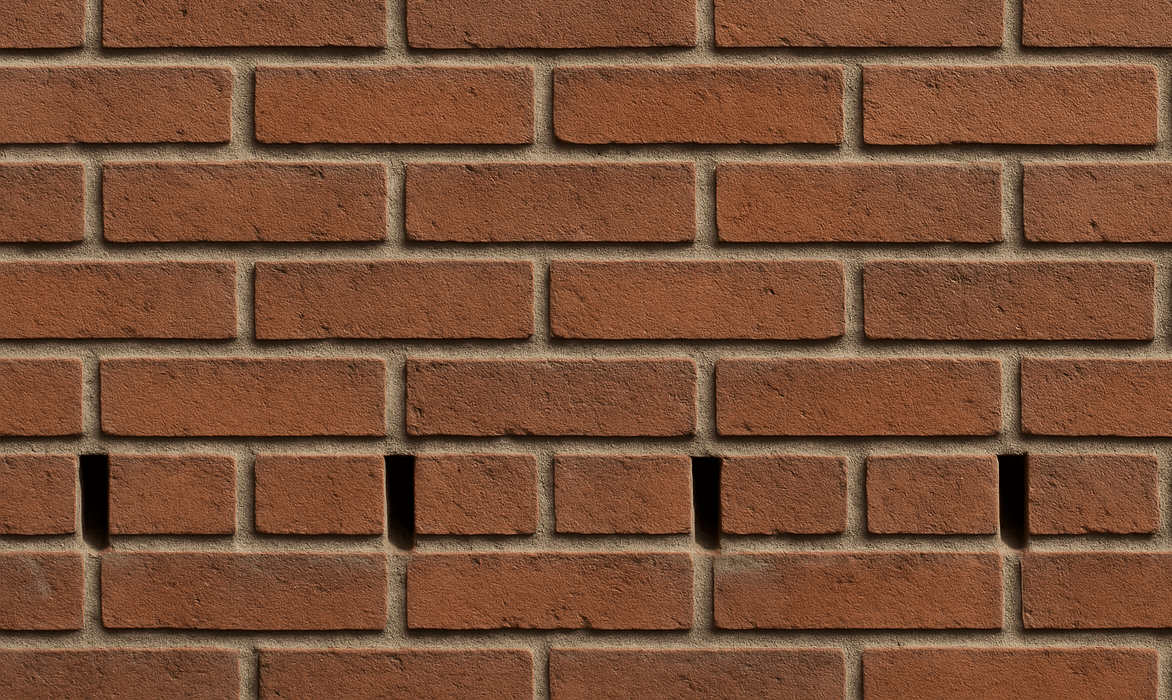
What are Weep Holes in Brickwork? Why Pre-Purchase Building Inspections Are Important
Learn how weep holes help wall drainage, what visible obstructions can mean and which questions to ask before arranging inspection or repairs.

What is a Strata Report? Your Essential Guide Before Buying Property
Learn what a strata records report can tell Sydney unit buyers, how to read missing-record limitations and which questions to raise before booking.

How To Spot Drainage Problems: 9 Warning Signs To Look For Before Making A Purchase
Discover the 9 most common drainage issues to spot before purchasing a property. Protect your investment, learn expert tips to avoid costly repairs. Read now!

Building Defects in Newly Built Sydney Properties: 7 Warning Signs
Buying a new home? Check seven warning signs and inspection options.
Pre-Purchase Building Inspection vs Pest Inspection: What You Need To Know
Buying a home in Sydney? See what each inspection covers, the defects and timber pests it may identify, current starting prices and what to ask before booking.
Ultimate Personal Property Inspection Checklist Before Booking an Inspection
Discover why having a personal property inspection checklist is essential before booking a professional inspection. Taking the time to walk through a property with your own checklist allows you to identify areas of concern, prioritise your questions, and ensure nothing is overlooked. While it won’t replace the expertise of a licensed inspector, it empowers you to approach the inspection process with greater clarity and confidence.

First-Time Buyer’s Guide to Property Inspections in Sydney
Purchasing your first home in Sydney? Don’t skip the property inspection. This comprehensive guide provides key insights into what to expect during an inspection, common issues to be aware of, and how a professional assessment can protect your investment and save you money in the future.

The Impact of Sydney’s Building Boom on Inspection Standards
Sydney’s building boom is fueling rapid development, but it’s also raising concerns about the integrity of both NSW building standards and inspection quality. As construction accelerates, reports of defects are on the rise, raising concerns about the long-term integrity of new properties. With increasing pressure on the construction industry, learn how this affects inspection standards and what it means for property buyers.

How Much Does A Building Inspection Cost In Sydney?
Compare BeSafe’s current starting prices, inspection scope and quote details for Sydney houses and units, with clear questions to ask before booking.
Should You Be Present at a Building & Pest Inspection? What You Need To Know
When you’re in the process of buying a property, a building and pest inspection is a crucial step in making sure you’re making a sound investment. However, one common question is whether it is necessary to attend the inspection in person. While it may seem convenient to forgo being present, attending the inspection offers valuable opportunities to gain insights directly from the expert.

What Is An Unsatisfactory Building Inspection?
An unsatisfactory building inspection can uncover hidden issues that may impact your property purchase. From structural concerns to plumbing and electrical problems, understanding what these findings mean and how to handle them is crucial.

Signs It’s Time To Walk Away From A Property
Investing in a property is exciting, but hidden building faults, pest damage, and financial red flags can all indicate it’s time to reconsider your choice. Understanding these crucial warning signs can help protect your investment and ensure you find a home that meets your needs

What Does a Building and Pest Inspection Cover?
Buying property in Sydney? Learn what a pre-purchase building and timber-pest inspection can report, which areas may be inaccessible, and what to ask before booking. The exact scope depends on your agreement and the property.
Introducing our new strata inspector
BeSafe’s Strata Inspector Tina has joined the team to help us expand our capacity for delivering strata reports to unit and apartment buyers in Sydney.
Why Sydney homebuyers need independent property inspection reports
Property inspection reports are essential for Sydney buyers who want to ensure they get exactly what they are paying for.

Before you buy: Is your new house hiding leaks?
If you’re looking to buy a home in Sydney, a pre-purchase building inspection is vital to detect household leaks and rising damp.

Common Defects Found In Buildings
If you’re in the process of purchasing a new property, it can be daunting to consider the repairs it may need. Discover the most common building defects, their causes, and how to address them effectively to make informed decisions and protect your investment.
Building Inspections
Looking to purchase a property but wondering if you actually really need a building inspection

The Cause Of Wall Cracks
Understanding the cause requires consideration of a large number of factors

Cracks in Buildings
The sight of cracking can set off alarm bells in anyone considering purchasing a property