

 (02) 9410-3740
 info@besafeinspections.com.au


Purchasing a property is a significant investment, and it’s natural to want to ensure that every detail is in order before sealing the deal. Among the many pre-purchase costs and considerations, one of the most crucial steps is getting a building and pest inspection. Whether you’re buying, selling, or just maintaining your property, understanding what a building and pest inspection covers is essential to making informed decisions and avoiding unexpected surprises.
In this guide, we’ll walk you through everything you need to know about building and pest inspections. From what these inspections cover and why they’re so important to the benefits of utilising professional inspectors and what you can expect to find in a report.
What Is A Building and Pest Inspection?
A building and pest inspection (or property inspection) is a thorough assessment of a property that helps uncover potential issues that might not be immediately visible. This inspection assesses both the interior and exterior of a property to identify structural, conditional, and design defects or damage.
For anyone considering buying or investing in a property, understanding the condition of the building before finalising the deal is crucial. From cracks in the walls to hidden water damage, these inspections can reveal problems that could otherwise lead to costly repairs down the line. That’s why building and pest inspections are designed to protect potential buyers by highlighting these issues early, before making a commitment.
Typically, a building inspector will prepare a comprehensive property inspection report, which must adhere to Australian Standards to be legitimate. This report provides a detailed overview of the property’s condition, helping you make an informed decision and avoid unexpected expenses after the purchase.

The Importance Of A Building And Pest Inspection
Whether you’re a current property owner or a prospective buyer, a building and pest inspection is a crucial step in the property process. By uncovering hidden issues and ensuring the property meets standards, you set yourself up for a smoother, more confident property transaction.
1. Uncover Hidden Issues
Many dream properties look perfect on the surface, but appearances can be deceiving. A building and pest inspection delves beneath the exterior to uncover hidden issues that might not be immediately obvious.
From structural defects to past and present pest infestations, these inspections can reveal issues that could significantly impact the property’s value, safety and liveability. Identifying these problems early helps you avoid unexpected repair costs and ensures that they are fully aware of the property’s condition – ensuring that their dream property remains a sound investment.
2. Negotiating Power
Armed with the insights from an inspection report, you gain valuable negotiating power. If issues are discovered, they can use this information to negotiate repairs, request a price reduction, or even reconsider their purchase decision. This knowledge can be a game-changer in the property process, potentially saving you money and ensuring they get a fair deal.
3. Protecting Your Investment
It goes without saying that buying or owning property is a significant investment, and protecting it is crucial. A building inspection offers both property owners and potential buyers’ peace of mind by identifying any underlying issues that could impact the property’s value and safety. This proactive approach helps safeguard this investment, ensuring that you are not caught off guard by costly problems down the road.
4. Making Informed Decisions
With a detailed inspection report in hand, you can make more informed decisions about the property. Whether you’re deciding whether to move forward with a purchase, how to address repairs, or how to maintain the property, the information from the inspection provides a solid foundation for future choices.
5. Taking Steps to Address Any Problems
In the event that the building and pest inspection does reveal issues, it’s essential to take the necessary steps to address them. Whether it involves negotiating with the seller, scheduling repairs, or making adjustments to the budget, understanding the extent of the problems you can tackle them effectively and ensure the property remains a sound investment.

What’s Included in A Building & Pest Inspection?
A building and pest inspection is carried out by a licensed builder and pest inspector and provides a comprehensive assessment of a property’s condition and potential pest issues.
1. Structure of the Building
The inspection includes a visual examination of the property’s physical structure. Inspectors assess all visible areas to identify structural damage or hidden problems. They use specialised equipment to detect issues that may not be immediately apparent, such as rot, leaks, and moisture in walls. The report also provides detailed information on these potential issues, offering a clearer picture of the property’s structural integrity.
2. History and Condition
In addition to assessing the current state of the property, an inspection can provide valuable insights into the building’s construction history. This includes information on any major defects and past repairs. The inspection report incorporates photographic evidence and a condition report, outlining areas of concern, potential hazards, defects, and essential repairs.
3. Pest & Termite Inspection
Beyond assessing the property’s condition, a building and pest inspection also identifies any pest-related problems. Inspectors look for past infestations, damage, existing infestations, and the potential for future issues.
Utilising advanced technology, they detect pest activity and damage in internal walls, beams, and other hard-to-reach areas.
4. Areas That Are Inspected
- Interior: Walls, floors, ceilings, windows, doors, bathrooms, laundry, stairs, and cupboards.
- Roof Space: Structural elements, potential leaks, and insulation in the roof space.
- Exterior: Stairs, garage, external finishes, gutters, eaves, porches, decks, weep holes, and ventilation.
- Floor Space: Footings, stumps, and drainage in the sub-floor area, if accessible.
- Roof Exterior: Gutters and downpipes (subject to height restrictions).
- Around the Building: Fencing, retaining walls, driveways, paths, and surface drainage.
As experts in the field, all BeSafe inspections adhere to Australian legislation and standards, specifically Standard 4349.1. This ensures a thorough and reliable assessment, giving you peace of mind about the property you’re considering.
How Long Does An Inspection Take?
While the duration can vary depending on the size and complexity of the property, a typical pre-purchase building and pest inspection usually takes between 1 to 3 hours to complete.
This allows inspectors to conduct a thorough assessment, identifying both major and minor defects in the building. The goal is to provide a comprehensive overview of the property’s condition, ensuring no detail is overlooked.
When Should I Schedule One?
It’s advisable to schedule a building and pest inspection as early as possible during the buying or selling process of your property. This allows you to address any issues before finalising the purchase, giving you ample time to negotiate repairs or reconsider your decision if necessary. For sellers, having an inspection done early can help identify and resolve potential problems, making the property more attractive to buyers.

What’s Not Included in A Building & Pest Inspection?
While a building and pest inspection provides a comprehensive overview of a property’s condition, there are certain areas and aspects that are not typically covered. Understanding these exclusions helps set realistic expectations and ensures you address any additional needs separately. Here’s what’s generally not included in a standard inspection:
1. Home Appliances
A building and pest inspection focuses on the structural and pest-related aspects of a property, not on individual home appliances. Items such as ovens, air conditioners, dishwashers, and other household appliances are not tested or inspected for functionality or safety. It’s important to check these appliances separately to ensure they are in good working condition.
2. Other Accessories
Similar to home appliances, additional accessories like CCTV, alarm systems, smoke detectors are not included in the inspection. While their location may be noted, they are not part of the standard assessment.
3. Swimming Pools
If the property has a swimming pool, it is advisable to seek the services of a separate pool inspector. A specialised pool inspection ensures that the pool meets all relevant regulations, from barrier heights to structure and more.
4. Building Code Compliance
A building and pest inspection does not assess compliance with all building codes and regulations. For a thorough evaluation of compliance with local building codes, you may need to consult a qualified building surveyor or inspector.
5. Toxic and Hazardous Substances
A building inspection report may mention the potential presence of hazardous materials such as asbestos. However, confirming their existence and assessing their risk requires specialised testing and investigation.
6. Natural Disasters
A building and pest inspection does not cover damage or risks associated with natural disasters, such as floods, earthquakes, or severe storms. The inspection focuses on existing conditions and potential issues but does not predict or assess the impact of natural disasters on the property.

The Benefits Of Professional Inspections
When it comes to protecting your investment and ensuring you have all the information you need to make informed decisions, professional inspections are invaluable. At BeSafe Inspections, we offer a thorough and reliable assessment of your property,
- Expertise and Knowledge: We provide a thorough evaluation of your property. Unlike other inspectors, we have a team of fully licenced builders and inspectors who have extensive industry knowledge, and a deep understanding of various construction standards, so that they can spot issues others might miss.
- Understanding the Home Buying Process: Our professionals simplify the home buying or selling process, ensuring a smooth inspection with clear communication of our findings.
- Encouraging Your Involvement: We encourage you to attend the inspection. We offer a verbal report, keeping you informed and involved in understanding the property’s condition.
- Fully Licensed and Insured: Fully licenced and insured company, we ensure every detail of your property is examined and documented to provide a reliable and comprehensive report.
- Comprehensive Reporting: We offer both written and verbal reports that suit your preferences, delivering a complete overview of the property’s condition for easy understanding and action.
Protect Your Investment
Put simply, a building and pest inspection is a crucial step in safeguarding your investment and ensuring peace of mind. By uncovering hidden issues, verifying compliance with standards, and providing a detailed assessment, these inspections equip both buyers and sellers with the knowledge needed to make informed decisions.
Don’t leave the condition of your property to chance. Contact BeSafe Inspections today to schedule your comprehensive building and pest inspection. Our expert team of licenced builders and inspectors are here to provide you with the detailed, reliable reports you need to move forward with confidence.
Featured news articles
Dilapidation Reports: What They Are and Why Property Owners Need Them
Learn what a dilapidation report is, why it’s essential before construction or demolition, and how it protects property owners from damage claims and disputes.
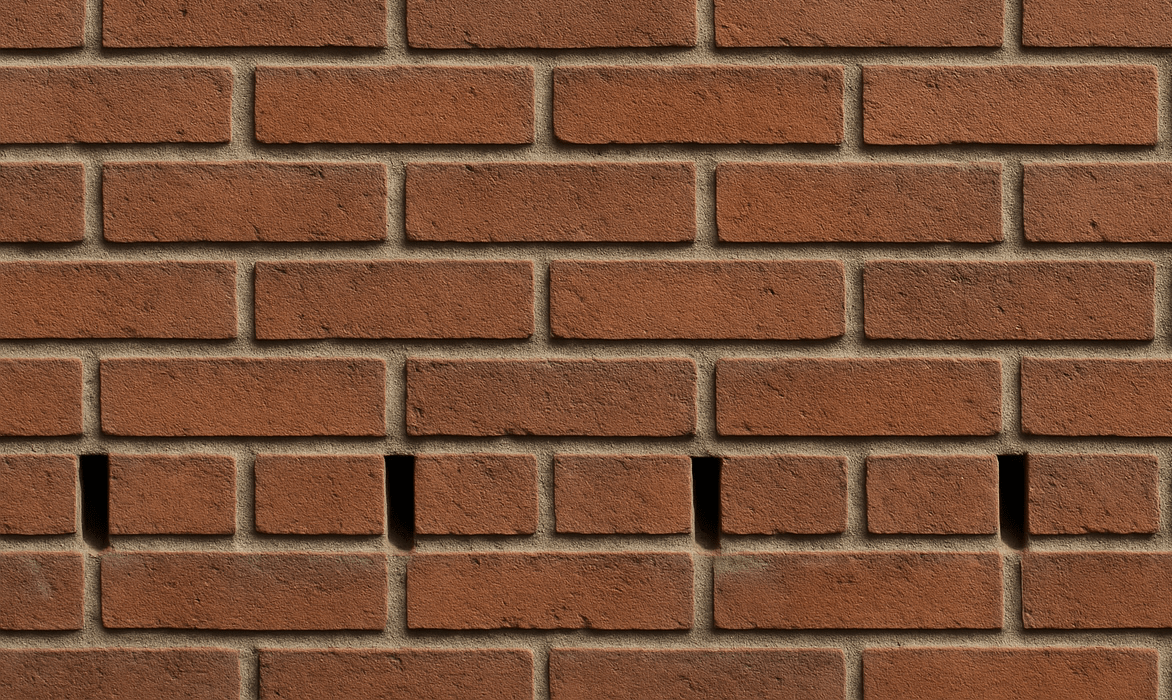
What are Weep Holes in Brickwork? Why Pre-Purchase Building Inspections Are Important
Learn what weep holes are, why they are vital for your home’s structural integrity, and how professional property inspections can prevent costly moisture and pest damage.

What is a Strata Report? Your Essential Guide Before Buying Property
Discover what a strata report is and why it’s crucial before buying a strata-titled property. Learn how it reveals financial, legal, and management insights to protect your investment.

How To Spot Drainage Problems: 9 Warning Signs To Look For Before Making A Purchase
Discover the 9 most common drainage issues to spot before purchasing a property. Protect your investment, learn expert tips to avoid costly repairs. Read now!

Top 7 Building Defects Found in New Sydney Properties: How to Spot Them
New doesn’t always mean defect-free. In Sydney’s booming property market, construction issues are more common than many buyers realise. From waterproofing failures to structural cracks, this guide breaks down the 7 most frequent defects found in new builds, and how to detect them before they escalate.

Pre-Purchase Building Inspection vs Pest Inspection: What You Need To Know
Buying property? Learn the key differences between pre-purchase building inspections and pest inspections, and why relying on just one could leave you exposed. Learn how these two essential inspections work together to give you a complete picture of a property’s condition, uncover hidden risks, and help you make a confident, informed investment decision.

Ultimate Personal Property Inspection Checklist Before Booking an Inspection
Discover why having a personal property inspection checklist is essential before booking a professional inspection. Taking the time to walk through a property with your own checklist allows you to identify areas of concern, prioritise your questions, and ensure nothing is overlooked. While it won’t replace the expertise of a licensed inspector, it empowers you to approach the inspection process with greater clarity and confidence.

First-Time Buyer’s Guide to Property Inspections in Sydney
Purchasing your first home in Sydney? Don’t skip the property inspection. This comprehensive guide provides key insights into what to expect during an inspection, common issues to be aware of, and how a professional assessment can protect your investment and save you money in the future.

The Impact of Sydney’s Building Boom on Inspection Standards
Sydney’s building boom is fueling rapid development, but it’s also raising concerns about the integrity of both NSW building standards and inspection quality. As construction accelerates, reports of defects are on the rise, raising concerns about the long-term integrity of new properties. With increasing pressure on the construction industry, learn how this affects inspection standards and what it means for property buyers.
How Much Does A Building Inspection Cost In Sydney?
A building inspection is an essential step in the Sydney property purchasing process, providing buyers with critical insights into potential structural issues and hidden defects. Inspection costs vary based on property size, type, and additional services required. This guide offers a comprehensive overview of building inspection pricing, key cost factors, and strategies to ensure purchasers receive the best value for their investment.
Should You Be Present at a Building & Pest Inspection? What You Need To Know
When you’re in the process of buying a property, a building and pest inspection is a crucial step in making sure you’re making a sound investment. However, one common question is whether it is necessary to attend the inspection in person. While it may seem convenient to forgo being present, attending the inspection offers valuable opportunities to gain insights directly from the expert.

What Is An Unsatisfactory Building Inspection?
An unsatisfactory building inspection can uncover hidden issues that may impact your property purchase. From structural concerns to plumbing and electrical problems, understanding what these findings mean and how to handle them is crucial.

Signs It’s Time To Walk Away From A Property
Investing in a property is exciting, but hidden building faults, pest damage, and financial red flags can all indicate it’s time to reconsider your choice. Understanding these crucial warning signs can help protect your investment and ensure you find a home that meets your needs

How To Find The Right Building Inspector
Discover essential tips for finding the right building inspector in Australia. Learn what to look for, questions to ask, and how to ensure you choose a qualified professional for your property inspection needs.
What Does a Building and Pest Inspection Cover?
A building and pest inspection is vital for any property transaction. This guide covers what these inspections include, from structural assessments to pest detection, and explains why they’re essential for safeguarding your investment. Learn about the advantages of professional inspections and find out how BeSafe Inspections can help ensure your property is in top condition.
Introducing our new strata inspector
BeSafe’s Strata Inspector Tina has joined the team to help us expand our capacity for delivering strata reports to unit and apartment buyers in Sydney.
Why Sydney homebuyers need independent property inspection reports
Property inspection reports are essential for Sydney buyers who want to ensure they get exactly what they are paying for.

Before you buy: Is your new house hiding leaks?
If you’re looking to buy a home in Sydney, a pre-purchase building inspection is vital to detect household leaks and rising damp.

Common Defects Found In Buildings
If you’re in the process of purchasing a new property, it can be daunting to consider the repairs it may need. Discover the most common building defects, their causes, and how to address them effectively to make informed decisions and protect your investment.
Building Inspections
Looking to purchase a property but wondering if you actually really need a building inspection

The Cause Of Wall Cracks
Understanding the cause requires consideration of a large number of factors

Cracks in Buildings
The sight of cracking can set off alarm bells in anyone considering purchasing a property