

 (02) 9410-3740
 info@besafeinspections.com.au


Foundation Movement and Wall Cracks: How to Identify Structural Defects Before They Get Worse
Wall cracks are something most homeowners, property buyers, and building managers will come across at some point. Whether you’re moving furniture, repainting a room, or doing a quick walk-through before purchasing a property, spotting a crack running along a wall can easily catch your attention. In many cases, the first instinct is to simply fill it and paint over it without a second thought.
However, cracks are often more than surface-level imperfections. Yes, some cracks can be harmless and purely cosmetic, others signal foundation movement or deeper structural defects that shouldn’t be ignored.
In Australia, this is particularly relevant due to the prevalence of highly reactive clay soils, especially across Sydney’s western suburbs, the Central Coast, and parts of regional NSW. These soils expand when wet and shrink when dry, placing constant pressure on the foundations beneath homes and buildings.
As licenced building inspectors, we regularly see the impact of foundation movement in residential and commercial properties. In this article, we’ll walk you through what causes these issues, how to identify the different types of wall cracks, and when it’s appropriate to seek professional advice before the problem gets worse.
Key Takeaways
- Foundation movement occurs when soil beneath a building shifts, often due to reactive clay soils, poor drainage, tree roots, or nearby construction.
- Not all wall cracks are cause for concern, but knowing the difference between cosmetic and structural cracks is essential.
- Diagonal, horizontal, and stepped cracks are more likely to indicate structural problems than fine vertical or hairline cracks.
- Australian Standard AS2870-2011 provides a widely used classification system for assessing crack severity.
- Early detection is key. Acting quickly on warning signs can prevent costly repairs and protect your property’s value.
- Nearby construction, excavation, and demolition can trigger or worsen foundation movement in surrounding properties.
- A professional building inspection provides the expert analysis needed to assess the severity of cracks and determine the best course of action.
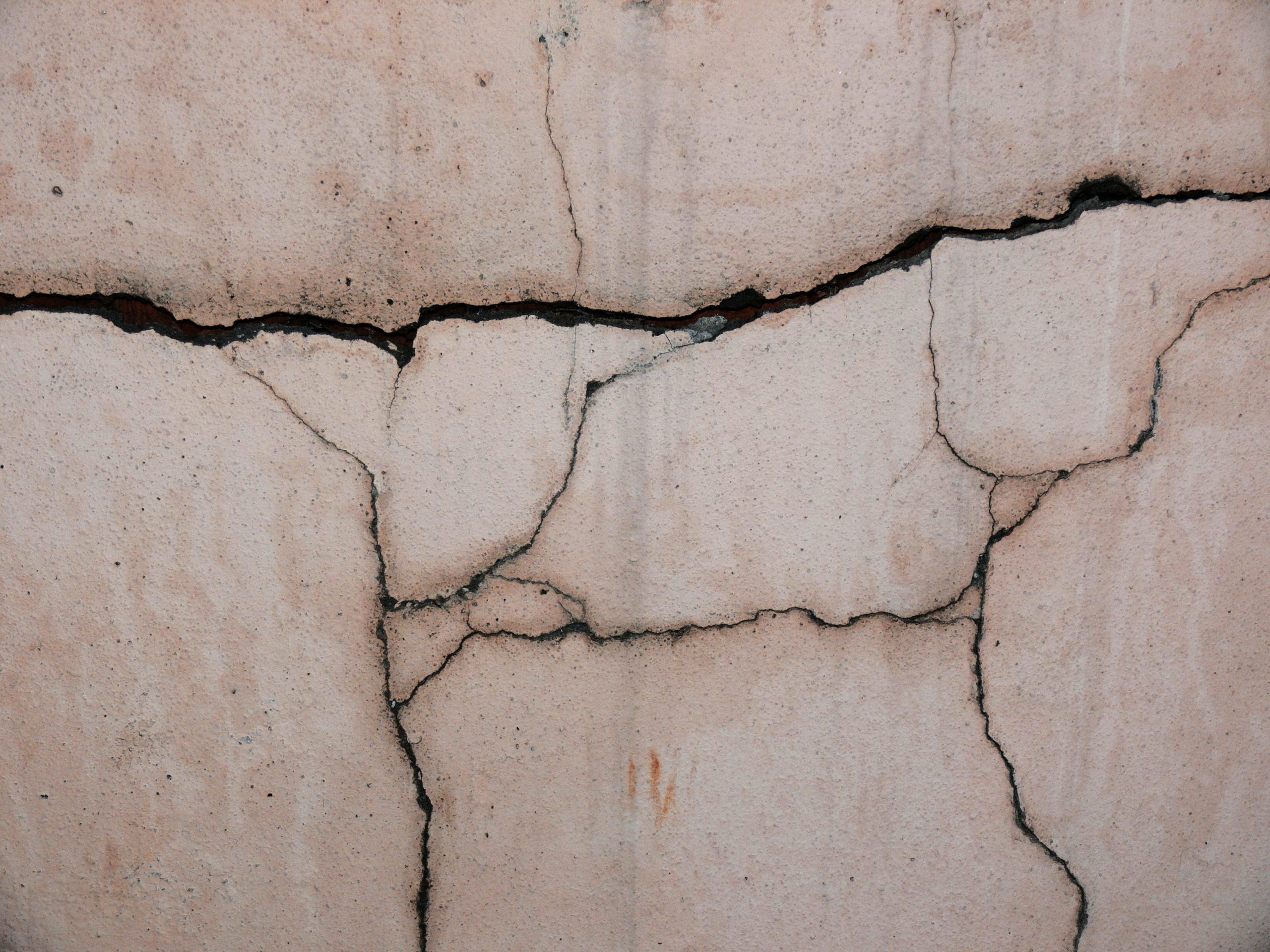
What Is Foundation Movement?
Foundation movement refers to any shift, settlement, or displacement of the ground and footings that support a building. Every structure relies on its foundation to distribute weight evenly across the soil beneath it. And, when that soil changes (swells, shrinks, erodes, or compresses) the foundation can move along with it.
Some degree of settlement is completely normal, especially in newer builds during the first few years after construction. This is often referred to as “normal settling” and typically causes only minor, cosmetic cracking.
However, when movement becomes uneven (when one part of the building is shifting more than another) it creates stress across the structure. This is known as “differential settlement”, and is one of the primary causes of significant wall cracks and structural defects in Australian homes.
Common Causes of Foundation Movement in Australian Homes
- Reactive clay soils: Clay-rich soils, common across Sydney and the Central Coast, expand significantly when saturated with moisture and contract during dry periods. This constant cycle puts enormous stress on foundations.
- Poor drainage: When water is not directed away from the building effectively, it can saturate the soil around footings, softening it and reducing its ability to support the structure.
- Tree root intrusion: Large trees planted close to a home can draw moisture from the surrounding soil, causing it to shrink unevenly and destabilise footings.
- Plumbing leaks: A slow, undetected leak beneath a slab or near footings can create localised soil saturation, leading to softening and movement in the affected area.
- Inadequate footing design: If the original foundation was not designed to suit local soil conditions, uneven settlement can develop over time.
- Nearby construction and excavation: Vibration from heavy machinery, changes to ground levels, and deep excavation on neighbouring sites can disturb the soil supporting your property.
Read More: Common Issues Found in Dilapidation Inspections
How Foundation Movement Leads to Wall Cracks
When the ground beneath a building shifts unevenly, different parts of the structure begin to move at different rates. When one section of a foundation settles, rises, or shifts relative to another, the structure above is forced to adjust. Walls may be pulled apart, compressed, or twisted, and cracks begin to form as a result.
Cracks caused by foundation movement tend to follow predictable patterns. They often appear at stress concentration points, particularly around door frames, window openings, and at the junctions between walls and ceilings. The direction, width, and location of a crack can tell a trained inspector a great deal about what is happening beneath the surface.
This is why understanding the type of crack you are looking at is so important. Not every crack is a sign of a serious structural issues, but some patterns are strong indicators that professional assessment is needed sooner rather than later.
Types of Wall Cracks and What They Mean
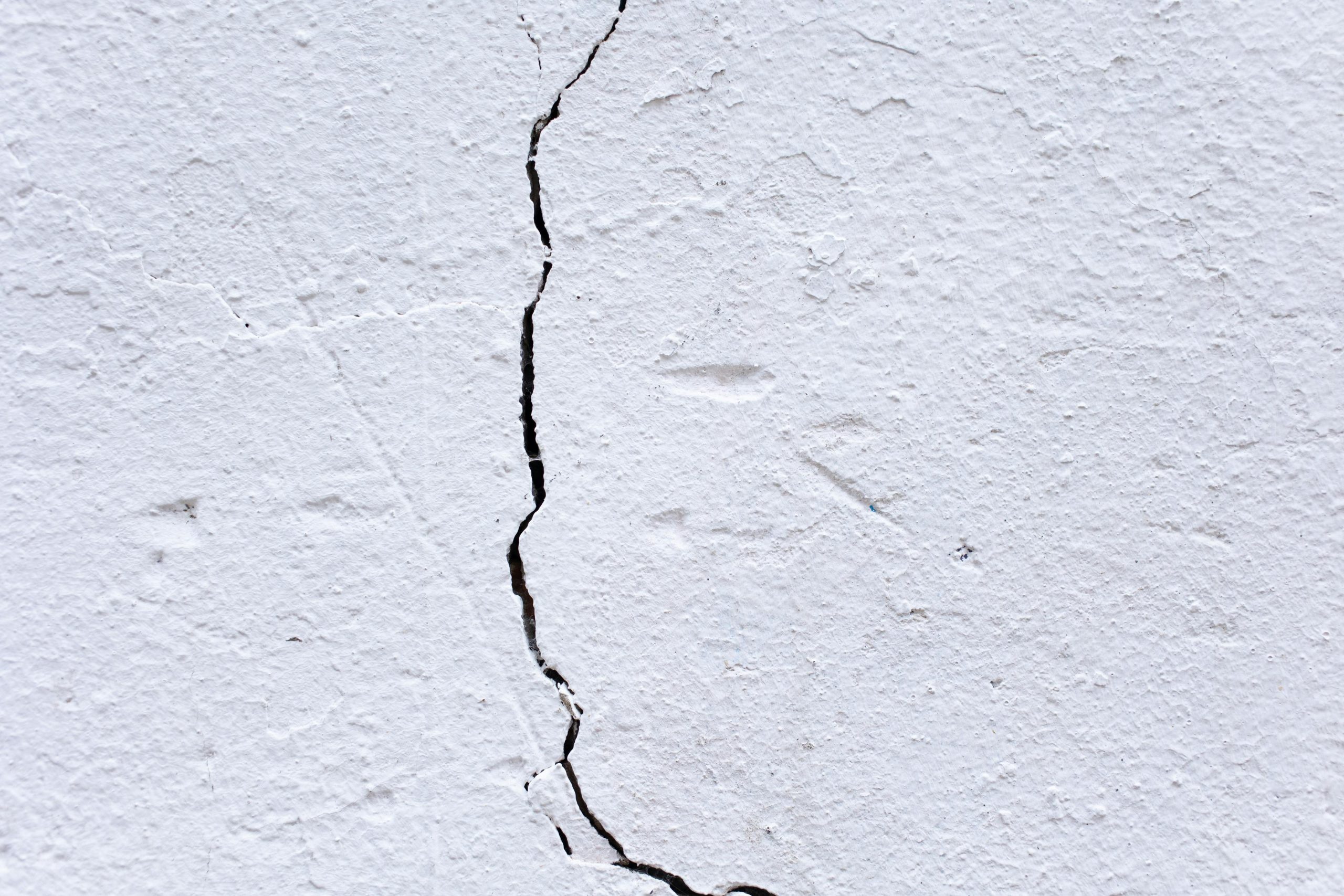
Not all wall cracks carry the same level of risk. The size, direction, location, and pattern of a crack can help determine whether it is a minor cosmetic issue or a sign of something more significant. Below is a guide to the most common crack types and what they typically indicate.
The Australian Standard AS2870-2011 provides a framework for classifying crack severity. The following table summarises the key categories:
| Crack Type | Width | Likely Cause | Risk Level |
| Hairline | < 0.1 mm | Normal settling, temperature changes, material shrinkage | Negligible |
| Fine | < 1 mm | Minor settlement, seasonal moisture changes | Very slight |
| Slight | 1 to 5 mm | Moderate ground movement, early foundation issues | Low to moderate |
| Moderate | 5 to 15 mm | Foundation subsidence, significant soil movement | Moderate to high |
| Severe | 15 to 25 mm+ | Major foundation failure, structural compromise | High / Urgent |
 |
 |
Diagonal, Stepped, Vertical, and Horizontal Cracks Explained
Beyond width, the direction and pattern of a crack offer important clues about its cause:
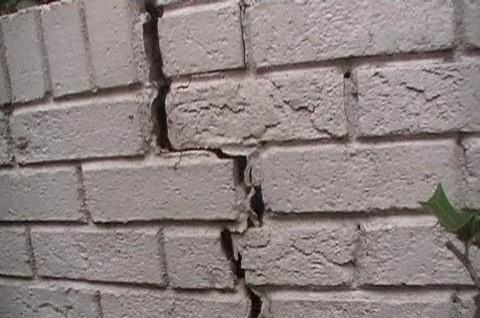
- Diagonal cracks: Often appearing at roughly 45 degrees from the corners of doors and windows, diagonal cracks are one of the most common signs of differential settlement. They indicate that the foundation is sinking unevenly, pulling one part of the wall away from another.
- Stepped cracks: These follow the mortar joints in brickwork, creating a staircase pattern. They typically signal uneven foundation settlement beneath a specific area of the building.
- Vertical cracks: Fine vertical cracks, particularly in the centre of long walls, are often caused by thermal expansion and contraction rather than foundation issues. However, wider vertical cracks near corners may indicate differential movement.
- Horizontal cracks: These are among the most concerning. Horizontal cracks can indicate lateral soil pressure against a wall, slab heave, or bowing. In brickwork, they may also suggest corroding wall ties. Horizontal cracks generally require prompt professional assessment.
Cosmetic vs. Structural Cracks: How to Tell the Difference
As a rule of thumb, most hairline cracks (under 0.1 mm) are considered cosmetic and result from normal settling or minor temperature changes. These are extremely common in both new and older properties.
A simple way to gauge width is the “credit card test”: if you can fit the edge of a standard credit card into the crack (approximately 1 mm), it is worth monitoring closely. If the gap is wide enough to accommodate a coin, it’s a stronger indicator that the crack should be assessed by a professional.
However, width is only one part of the picture. A narrow crack that is gradually widening over time can be more concerning than a wider crack that has remained stable for years. Additionally, cracks that appear alongside other warning signs, such as sticking doors, uneven floors, or gaps between structural elements, may point to underlying movement rather than simple surface wear.
Understanding both the size and behaviour of a crack is key to determining its significance. When in doubt, monitoring changes over time and seeking expert advice can help ensure that minor issues are not overlooked before they develop into more serious structural concerns.
💡Avoid painting over or filling cracks before getting a professional assessment. Concealing a crack can hide important evidence that an inspector or structural engineer needs to evaluate the issue properly.
 |
 |
Warning Signs That Structural Defects Are Developing
Wall cracks rarely appear in isolation. If there is foundation movement, there are usually other warning signs as well. Keep an eye out for the following:
- Doors and windows that stick, jam, or no longer close properly. When a building shifts, the frames around openings are often among the first elements to be affected. Misalignment can make them difficult to operate as intended.
- Uneven or sloping floors. This may be noticeable through subtle signs, such as objects rolling across a surface or furniture sitting unevenly. These symptoms can indicate that the foundation beneath the structure is settling unevenly.
- Gaps appearing between walls and ceilings, or between walls and skirting boards. Such separations can suggest that different parts of the structure are moving independently in response to underlying foundation movement.
- Cracks that are increasing in width or length over time. Any crack that continues to grow should be assessed by a professional, regardless of its initial size, as this may indicate ongoing movement.
- Visible bulging or bowing in walls. This can be a sign of lateral pressure or more advanced structural distress and should be treated as a priority for inspection.
- Water pooling near the foundation. Persistent moisture around the base of a building can contribute to soil instability and may worsen existing structural issues over time.
Read More: How to Spot Drainage Problems: 9 Warning Signs to Look For
Why Early Detection Matters
When it comes to foundation movement and structural defects, timing is critical. Issues that begin as small, harmless cracks can gradually develop into more significant and costly problems if left unaddressed. In more serious cases, prolonged foundation movement can compromise the structural integrity of a building and pose safety risks to occupants.
In Australia, the cost of foundation repairs can vary widely depending on the severity of the issue. Minor repairs such as basic underpinning may cost a few thousand dollars, while extensive structural remediation can exceed $50,000.
By comparison, arranging a professional building inspection to identify potential concerns early is a relatively modest investment that can help prevent far greater expenses down the track.
Early detection is also especially important in property transactions. For buyers, identifying structural issues before settlement provides the opportunity to negotiate repairs, adjust the purchase price, or reconsider the purchase altogether. For sellers, addressing potential concerns upfront and providing a clean inspection report can support transparency and help facilitate a smoother sale process.
For properties located near active construction or demolition sites, the importance of early detection becomes even more pronounced. Excavation work, vibration from heavy machinery, and changes in surrounding ground conditions can all impact soil stability and contribute to foundation movement.
In these situations, a dilapidation report can be particularly valuable, as it documents the condition of the property before nearby works begin. This provides a clear point of reference should any structural changes occur, helping to support and substantiate future claims if needed.
What to Do If Cracks or Signs of Foundation Movement Are Identified
If cracks have appeared in the walls, or if any of the warning signs discussed earlier are present, there are practical steps that can be taken immediately, along with clear situations where professional input becomes necessary.
- Document and photograph each crack. Record clear images of the cracks with a ruler or tape measure placed alongside for scale, and note the date. This establishes a baseline for tracking any future changes.
- Monitor changes over time. Mark the ends of each crack with a pencil and check them regularly over a period of weeks to see if they are extending in length or widening.
- Inspect drainage around the property. After rainfall, check for any water pooling near the foundation. Ensure gutters, downpipes, and stormwater systems are functioning properly and directing water away from the structure.
- Avoid covering cracks before assessment. While it may be tempting to fill or paint over cracks for aesthetic reasons, doing so can obscure important evidence that a professional may need to accurately assess the issue.

When to Call a Professional
A professional building inspection provides a far more detailed assessment than what can be achieved through visual observation alone. Qualified inspectors use specialised tools and proven techniques to evaluate the condition of a property’s structural elements, including foundations, walls, floors, and roofing systems.
During an inspection, each crack is assessed based on its width, direction, location, and relationship to other indicators of movement. Equipment such as laser levels is used to measure floor evenness, while all findings are supported with high-resolution photographs and detailed annotations. This process creates a comprehensive and objective record of the property’s condition.
At BeSafe, inspections are conducted by accredited building consultants and qualified inspectors who provide a range of building reports and inspections across Sydney and the Central Coast. These may include building and pest reports for prospective buyers, forensic structural investigations for existing properties, and structural opinion reports for insurance or legal purposes.
Where nearby construction or excavation is a concern, dilapidation reports are also available. These reports document the pre-existing condition of a property before works begin and are widely recognised by councils, insurers, and courts as reliable evidence.
Final Thoughts
Not every crack in a wall is cause for alarm. Hairline cracks from normal settling are common and are rarely a reason to worry. However, understanding the difference between a harmless surface crack and one that signals deeper structural issues is an important aspect of property purchase and ownership.
Foundation movement is a reality for many Australian homes. However, when identified early, most foundation-related issues can be assessed and addressed in a timely and cost-effective manner. The key lies in recognising early warning signs, monitoring any changes, and seeking professional guidance when required.
Where wall cracks, sticking doors, uneven floors, or other indicators of movement are present, a professional inspection can provide valuable clarity. A thorough assessment not only helps determine the severity of the issue but also outlines appropriate next steps, offering greater confidence and a clear direction moving forward.
Featured news articles

How to Choose a Building Inspector in Sydney
Buying property in Sydney? Learn how to choose the right building inspector, what to check, key red flags and when to book a building and pest inspection.

Dilapidation Reports: What They Are and Why Property Owners Need Them
Learn what a dilapidation report is, why it’s essential before construction or demolition, and how it protects property owners from damage claims and disputes.
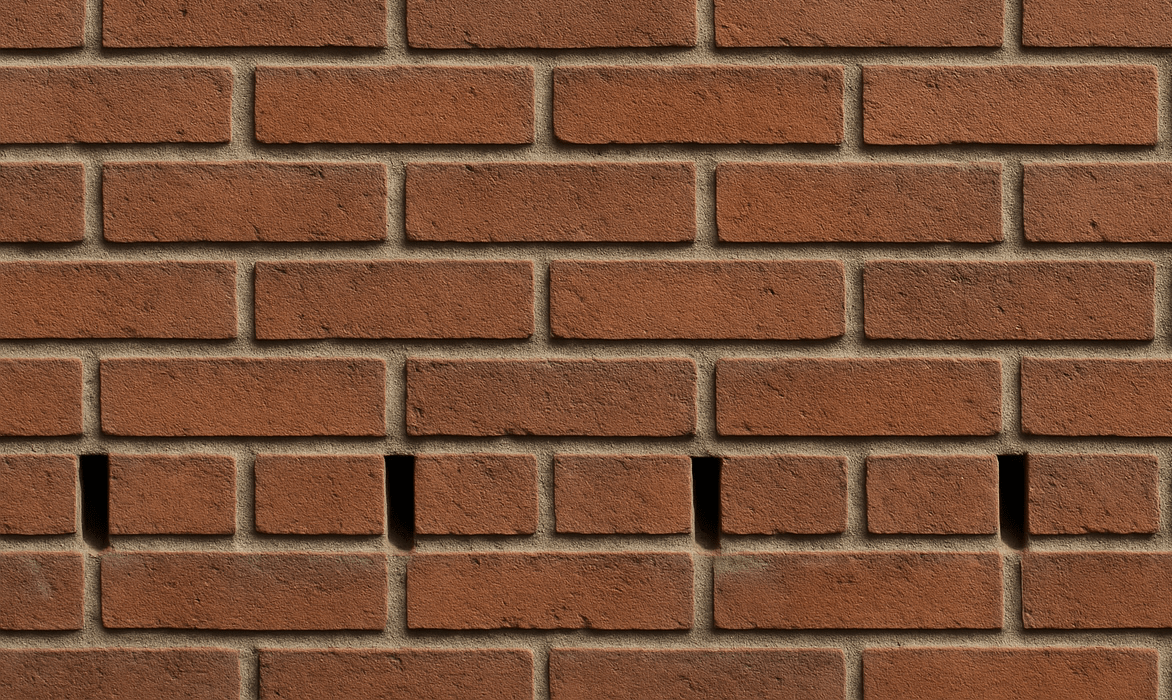
What are Weep Holes in Brickwork? Why Pre-Purchase Building Inspections Are Important
Learn what weep holes are, why they are vital for your home’s structural integrity, and how professional property inspections can prevent costly moisture and pest damage.

What is a Strata Report? Your Essential Guide Before Buying Property
Discover what a strata report is and why it’s crucial before buying a strata-titled property. Learn how it reveals financial, legal, and management insights to protect your investment.

How To Spot Drainage Problems: 9 Warning Signs To Look For Before Making A Purchase
Discover the 9 most common drainage issues to spot before purchasing a property. Protect your investment, learn expert tips to avoid costly repairs. Read now!
Top 7 Building Defects Found in New Sydney Properties: How to Spot Them
New doesn’t always mean defect-free. In Sydney’s booming property market, construction issues are more common than many buyers realise. From waterproofing failures to structural cracks, this guide breaks down the 7 most frequent defects found in new builds, and how to detect them before they escalate.

Pre-Purchase Building Inspection vs Pest Inspection: What You Need To Know
Buying property? Learn the key differences between pre-purchase building inspections and pest inspections, and why relying on just one could leave you exposed. Learn how these two essential inspections work together to give you a complete picture of a property’s condition, uncover hidden risks, and help you make a confident, informed investment decision.
Ultimate Personal Property Inspection Checklist Before Booking an Inspection
Discover why having a personal property inspection checklist is essential before booking a professional inspection. Taking the time to walk through a property with your own checklist allows you to identify areas of concern, prioritise your questions, and ensure nothing is overlooked. While it won’t replace the expertise of a licensed inspector, it empowers you to approach the inspection process with greater clarity and confidence.

First-Time Buyer’s Guide to Property Inspections in Sydney
Purchasing your first home in Sydney? Don’t skip the property inspection. This comprehensive guide provides key insights into what to expect during an inspection, common issues to be aware of, and how a professional assessment can protect your investment and save you money in the future.

The Impact of Sydney’s Building Boom on Inspection Standards
Sydney’s building boom is fueling rapid development, but it’s also raising concerns about the integrity of both NSW building standards and inspection quality. As construction accelerates, reports of defects are on the rise, raising concerns about the long-term integrity of new properties. With increasing pressure on the construction industry, learn how this affects inspection standards and what it means for property buyers.

How Much Does A Building Inspection Cost In Sydney?
A building inspection is an essential step in the Sydney property purchasing process, providing buyers with critical insights into potential structural issues and hidden defects. Inspection costs vary based on property size, type, and additional services required. This guide offers a comprehensive overview of building inspection pricing, key cost factors, and strategies to ensure purchasers receive the best value for their investment.
Should You Be Present at a Building & Pest Inspection? What You Need To Know
When you’re in the process of buying a property, a building and pest inspection is a crucial step in making sure you’re making a sound investment. However, one common question is whether it is necessary to attend the inspection in person. While it may seem convenient to forgo being present, attending the inspection offers valuable opportunities to gain insights directly from the expert.

What Is An Unsatisfactory Building Inspection?
An unsatisfactory building inspection can uncover hidden issues that may impact your property purchase. From structural concerns to plumbing and electrical problems, understanding what these findings mean and how to handle them is crucial.

Signs It’s Time To Walk Away From A Property
Investing in a property is exciting, but hidden building faults, pest damage, and financial red flags can all indicate it’s time to reconsider your choice. Understanding these crucial warning signs can help protect your investment and ensure you find a home that meets your needs

What Does a Building and Pest Inspection Cover?
A building and pest inspection is vital for any property transaction. This guide covers what these inspections include, from structural assessments to pest detection, and explains why they’re essential for safeguarding your investment. Learn about the advantages of professional inspections and find out how BeSafe Inspections can help ensure your property is in top condition.
Introducing our new strata inspector
BeSafe’s Strata Inspector Tina has joined the team to help us expand our capacity for delivering strata reports to unit and apartment buyers in Sydney.
Why Sydney homebuyers need independent property inspection reports
Property inspection reports are essential for Sydney buyers who want to ensure they get exactly what they are paying for.

Before you buy: Is your new house hiding leaks?
If you’re looking to buy a home in Sydney, a pre-purchase building inspection is vital to detect household leaks and rising damp.
Common Defects Found In Buildings
If you’re in the process of purchasing a new property, it can be daunting to consider the repairs it may need. Discover the most common building defects, their causes, and how to address them effectively to make informed decisions and protect your investment.
Building Inspections
Looking to purchase a property but wondering if you actually really need a building inspection

The Cause Of Wall Cracks
Understanding the cause requires consideration of a large number of factors

Cracks in Buildings
The sight of cracking can set off alarm bells in anyone considering purchasing a property