

 (02) 9410-3740
 info@besafeinspections.com.au


Common Roof Defects Found During a Building Inspection (And What They Mean for You)
Your roof is one of the most expensive parts of your home to repair, and one of the hardest to assess with an untrained eye. That is exactly why it is an essential part of a building and pest inspection. Roofing that appears sound from the street can conceal cracked timber, slow leaks, or years of pest activity within the roof cavity.
At BeSafe, we’ve inspected roofs across Sydney, and while every property is different, there are a number of common defects we encounter again and again. In this guide we walk you through the most common roof defects found during a building inspection, what they look like, and what they mean for your property.
Planning to buy, sell, or settle a new build? Book a BeSafe building inspection and get a clear, honest report on every part of your property, from the ridge to the gutter.
Key Takeaways
- Structural defects are among the most costly to repair, with issues such as sagging rafters, cut timbers, and inadequate bracing requiring immediate attention.
- Moisture represents the most significant hidden risk, with stains, odours, and damaged sarking often indicating long-term leaks.
- Pest activity and moisture issues frequently occur together, making combined building and pest inspections the most reliable way to assess risk.
- Flashing failures often develop silently, and temporary silicone repairs should be treated as warning signs rather than permanent solutions.
- Access limitations are a normal part of inspections, and qualified inspectors will clearly outline what areas were and were not safely assessable.
- Independent building inspections typically pay for themselves by identifying costly defects before settlement, when they are still manageable.
Why the Roof Matters in a Building Inspection
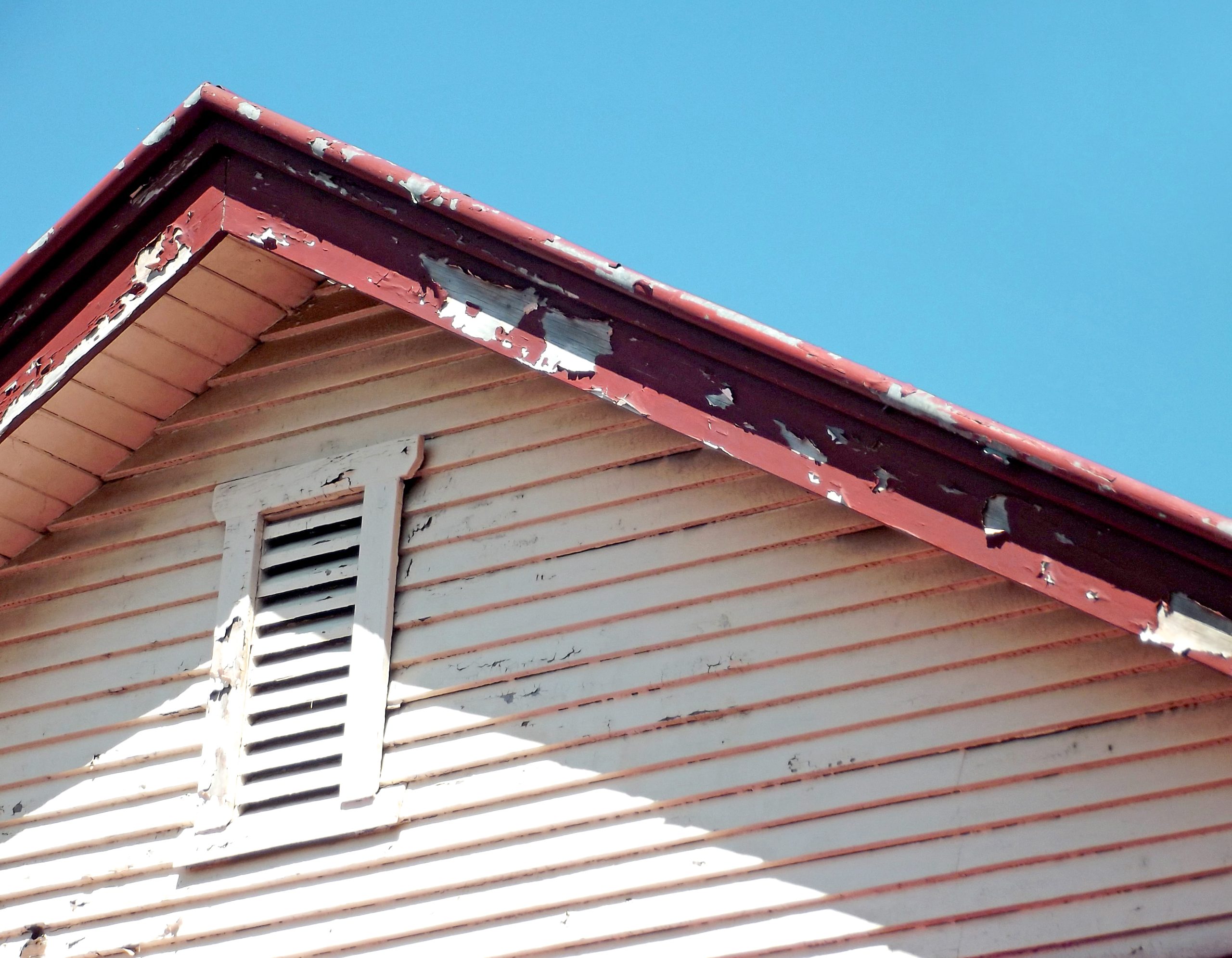
The roof is a home’s first line of defence. When it fails, everything underneath it is at risk. Small defects rarely stay small. A single lifted tile can let in enough water to rot a ceiling joist, soak insulation, or start a mould problem in the walls.
A proper building inspection looks at the roof as a system, not just a surface. That means the structure holding it up, the covering that keeps water out, and everything in between. Keep in mind that inspectors assess the roof subject to safe height and access.
1. Structural Integrity of Roof Framing and Support
Structural defects are the costliest to fix and the most important to catch early. These are the issues that can affect your insurance, your finance approval, and in worst-case scenarios, the safety of everyone living under the roof.
- Sagging or bowed rafters and trusses: If you see a visible dip in the roofline from the street, that is a red flag. Sagging can point to undersized timber, a structure that has been overloaded (for example, by a solar system added without reinforcement), or long-term moisture damage weakening the frame.
- Broken or cut structural members: DIY renovations are one of the biggest culprits here. When someone installs a skylight, air conditioning unit, or exhaust vent without knowing what they are cutting, they can compromise a rafter or truss in ways that are not visible from the outside.
- Inadequate bracing or tie-downs: In wind regions, bracing and tie-downs are what keep the roof attached to the house during a storm. Older homes, or homes where renovations were done without permits, often have bracing that does not meet appropriate standards.
- Timber rot and decay: Rot is almost always a symptom of a leak that has been untreated for too long. By the time there is visible decay, the surrounding structure is usually affected too.
2. Signs of Leaks, Moisture Ingress and Water Damage
Water is the enemy of every building. It can enter through the smallest gap, travel along framing or insulation, and create serious issues long before visible signs appear inside the home.
- Water Stains on Ceilings and Walls: Discolouration on ceilings or internal walls is often a sign of moisture damage. Stains may appear as yellow, brown, or patchy marks and can indicate an ongoing leak or a previous issue that has not been properly repaired. The size, shape, and location of the stain can help determine the likely source and severity of the problem.
- Damaged or Missing Sarking: Sarking is the protective membrane installed beneath roof coverings to provide a secondary barrier against moisture, dust, and wind-driven rain. If it is torn, missing, deteriorated, or incorrectly installed, the roof becomes more vulnerable to water penetration and condensation build-up. In many older homes, damaged sarking is a common defect that can reduce the overall performance of the roof system.
- Pooling Water in the Roof Cavity: Any evidence of standing water, damp insulation, or visible water tracks within the roof cavity may point to an active leak. The source is not always directly above the affected area, as water can travel along rafters, beams, and other surfaces before becoming visible.
- Mould, Mildew and Musty Odours: A musty smell can be an early warning sign of excess moisture, even when visible damage is limited. Mould and mildew thrive in damp, poorly ventilated spaces and may affect both the condition of building materials and indoor air quality. Their presence often indicates that moisture has been present long enough to cause secondary damage.
Read More: What Are Weep Holes in Brickwork?
3. Historical Pest Activity in the Roof Cavity
The roof cavity can provide an ideal environment for pests. It is typically warm, sheltered, rarely disturbed, and often accessible through small gaps or openings around the roofline.
The most common pests include:
- Termites: Termites can weaken structural timber by feeding on framing, battens, and other roof components, with even past activity often leaving lasting structural damage.
- Rodents: These pests can damage insulation, chew wiring, contaminate roof spaces, and create nesting areas, often leading to odours and repeat access if entry points remain open.
During a building inspection, signs of historical pest activity is carefully assessed to determine whether damage has occurred and whether further investigation may be required. Common indicators include droppings, chewed timber, nesting materials, damaged insulation, entry points, and mud tubes associated with termite movement.
💡 Excess moisture is a common contributing factor to pest activity, as damp timber and humid conditions attract termites and other pests, while also accelerating deterioration in affected materials.
Combined building and pest inspections catch both issues in a single visit. Talk to our team about bundling your inspection for a more complete picture of your property.
4. Roof Coverings, Gutters, and Downpipes
This section of the roof system is where many of the most visible defects appear during a building inspection. The good news is that these are also usually the most straightforward to repair when identified early, before they escalate into internal water damage or structural deterioration.
- Cracked, slipped, or broken tiles: Terracotta and concrete tiles are designed to be durable, but they are still vulnerable to impact from foot traffic, severe weather, and falling branches. Even a single cracked or missing tile can allow water to penetrate the roof structure, particularly during prolonged or heavy rainfall.
- Rusted, dented, or lifted metal sheets: On metal roofs, we look for rust at screw penetrations, dented sheets from hail or falling branches, and edges that have lifted away from the battens. Lifted sheets are especially concerning in coastal and windy areas.
- Blocked, sagging, or rusted gutters: Gutters filled with debris restrict proper water flow and can cause overflow back into the roof structure and eaves. Over time, this can accelerate rust formation and decay. Sagging gutters often indicate failing brackets or hidden deterioration of the fascia board they are attached to.
- Disconnected or undersized downpipes: Downpipes that discharge water incorrectly can contribute to long-term moisture damage around the foundation. Similarly, undersized downpipes may struggle to cope with heavy rainfall, leading to overflow and drainage inefficiencies during peak weather events.
Read More: How To Spot Drainage Problems: 9 Warning Signs To Look For Before Making A Purchase
5. Condition of Flashings and Signs of Leakage
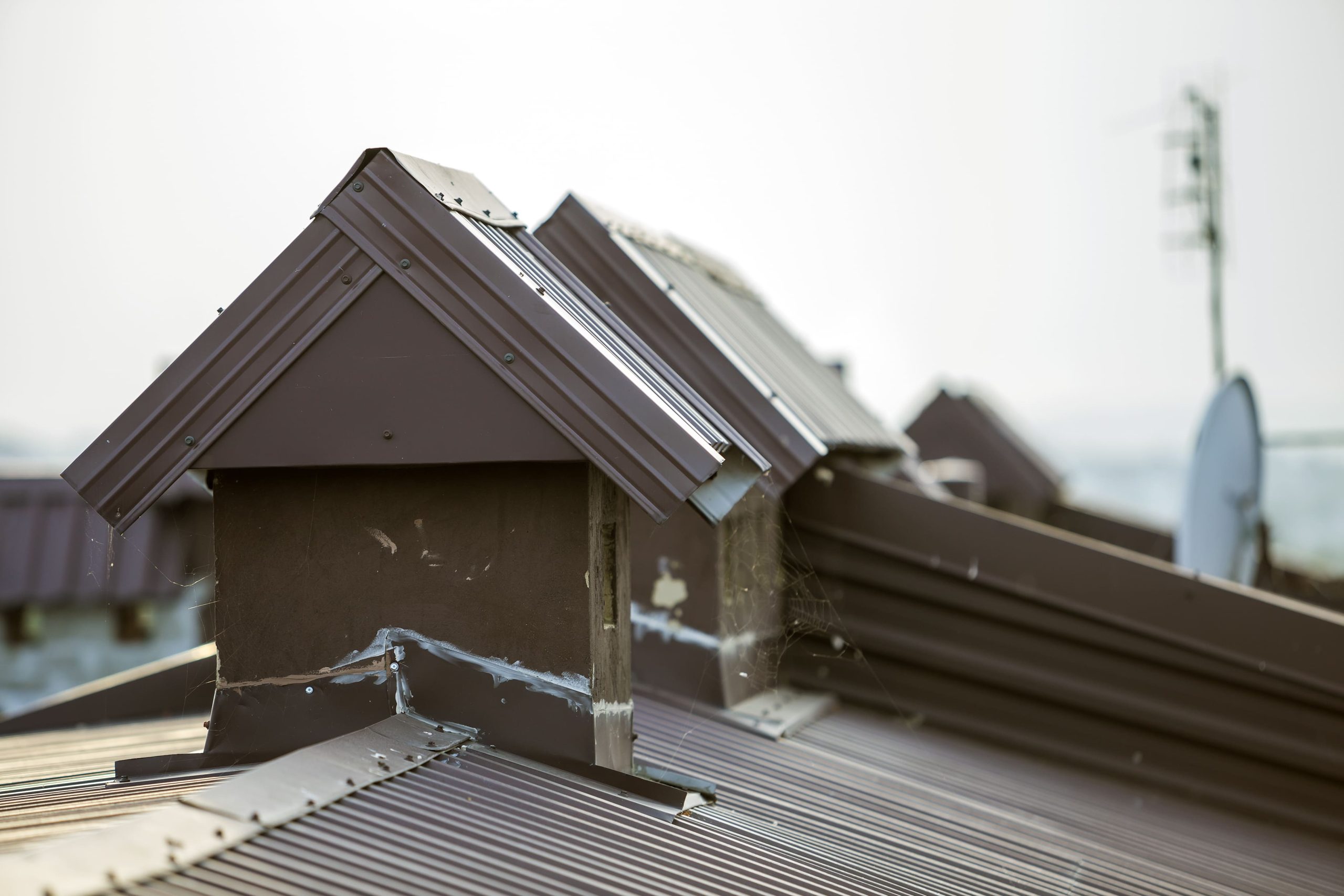
Flashing is the thin, water-proof material installed on roofs that seals the areas where roofing materials meet vertical surfaces or structural protrusions such as chimneys, skylights, vents, and adjoining walls. When it is properly installed and maintained, it prevents water from entering some of the most vulnerable parts of the roof system.
Failed or deteriorated flashing is one of the most common sources of hidden leaks identified during a building inspection. The most common signs include:
- Rusted sections
- Gaps at junctions
- Lifted or displaced edges
- Poorly sealed joins
In many cases we also see lashing that has been patched with silicone as a temporary fix. While silicone may temporarily slow water entry, it is often an indication that an underlying issue has not been properly addressed and may continue to worsen over time.
6. Insulation Quality and Deterioration
Insulation is easy to overlook, but its condition affects both the comfort and safety of a home. During a building inspection, we check for:
- Compressed, missing, or displaced batts that no longer provide thermal protection
- Water-damaged or mould-affected insulation that needs replacement
- Pest-contaminated insulation, often soiled by rats or possums
- Insulation is packed too close to downlights, which is a serious fire hazard
In many cases, insulation issues are not isolated problems but early indicators of broader concerns such as roof leaks, ventilation issues, or pest intrusion that may otherwise go unnoticed.
Quick Reference: Common Roof Defects and What They Mean
| Defect | What It Looks Like | Why It Matters | Priority |
| Sagging rafters | Visible dip in the roofline | Structural risk, possible timber failure | High |
| Cracked or slipped tiles | Broken, missing, or misaligned tiles | Water ingress into roof cavity | Medium to High |
| Blocked gutters | Overflow, rust, plant growth | Water damage to walls and foundations | Medium |
| Failed flashing | Rust, gaps, or lifted edges | Hidden leaks around joins and penetrations | High |
| Damaged insulation | Compressed, stained, or missing batts | Energy loss, moisture, fire risk | Medium |
| Pest activity | Droppings, chewed timber, mud tubes | Health and structural risk | Medium to High |
What Happens If These Defects Are Missed?
The short answer is that they become significantly more expensive to deal with later. When roof defects are not identified early, they rarely stay isolated to the roof itself. Instead, they tend to progress into wider structural and internal issues that are far more complex and costly to repair.
A missed roof defect can quickly escalate into repair costs running into the tens of thousands once internal water damage, mould remediation, pest treatment, and associated restoration work are taken into account. What may have started as a minor roofing issue can ultimately impact ceilings, insulation, electrical systems, and even internal wall linings.
For buyers, skipping a building inspection to save a relatively small upfront cost can result in unexpected repair expenses within the first year of ownership. For sellers, undetected roof problems can surface during a buyer’s inspection, potentially leading to price renegotiations, delays, or in some cases, a collapsed sale altogether.
An independent building inspection provides early visibility of these risks, helping all parties make informed decisions and avoid preventable financial setbacks.
How BeSafe Inspects Your Roof
Roof inspections are carried out as thoroughly as safety, height, and site access allow. This typically includes:
- Structural integrity of roof framing and support
- Signs of leaks, moisture ingress, or pest activity
- Insulation quality and any deterioration
- Roof coverings, gutters, and downpipes
- Condition of flashings and signs of leakage
- Overall integrity of the roofing system
Each inspection is conducted with a focus on accuracy, clarity, and a comprehensive understanding of roof systems. All findings are documented in a clear, fully photographed report that is easy to follow. Technical jargon is avoided in favour of straightforward explanations.

The Bottom Line
A roof can hide far more than most people realise behind a clean, well-presented exterior. Issues such as sagging structural members, failed flashing, pest activity, and moisture-damaged insulation are rarely visible from ground level, yet they can have a significant impact on both safety and long-term repair costs.
This is why a thorough, independent building inspection is one of the most important steps before purchasing, selling, or completing a new build. It provides clarity where appearances can be misleading and helps ensure decisions are based on facts rather than assumptions.
At BeSafe, we have spent years helping Australians make informed property decisions through clear, detailed, and fully photographed inspection reports. When it comes to understanding what is happening above the ceiling line, having the right information makes all the difference.
Book your BeSafe building inspection today and get peace of mind from the ridge to the gutter. Fast turnaround, detailed reporting, and expert local inspectors you can trust.
Featured news articles

How to Choose a Building Inspector in Sydney
Buying property in Sydney? Learn how to choose the right building inspector, what to check, key red flags and when to book a building and pest inspection.
Dilapidation Reports: What They Are and Why Property Owners Need Them
Learn what a dilapidation report is, why it’s essential before construction or demolition, and how it protects property owners from damage claims and disputes.
What are Weep Holes in Brickwork? Why Pre-Purchase Building Inspections Are Important
Learn what weep holes are, why they are vital for your home’s structural integrity, and how professional property inspections can prevent costly moisture and pest damage.

What is a Strata Report? Your Essential Guide Before Buying Property
Discover what a strata report is and why it’s crucial before buying a strata-titled property. Learn how it reveals financial, legal, and management insights to protect your investment.

How To Spot Drainage Problems: 9 Warning Signs To Look For Before Making A Purchase
Discover the 9 most common drainage issues to spot before purchasing a property. Protect your investment, learn expert tips to avoid costly repairs. Read now!

Top 7 Building Defects Found in New Sydney Properties: How to Spot Them
New doesn’t always mean defect-free. In Sydney’s booming property market, construction issues are more common than many buyers realise. From waterproofing failures to structural cracks, this guide breaks down the 7 most frequent defects found in new builds, and how to detect them before they escalate.

Pre-Purchase Building Inspection vs Pest Inspection: What You Need To Know
Buying property? Learn the key differences between pre-purchase building inspections and pest inspections, and why relying on just one could leave you exposed. Learn how these two essential inspections work together to give you a complete picture of a property’s condition, uncover hidden risks, and help you make a confident, informed investment decision.

Ultimate Personal Property Inspection Checklist Before Booking an Inspection
Discover why having a personal property inspection checklist is essential before booking a professional inspection. Taking the time to walk through a property with your own checklist allows you to identify areas of concern, prioritise your questions, and ensure nothing is overlooked. While it won’t replace the expertise of a licensed inspector, it empowers you to approach the inspection process with greater clarity and confidence.

First-Time Buyer’s Guide to Property Inspections in Sydney
Purchasing your first home in Sydney? Don’t skip the property inspection. This comprehensive guide provides key insights into what to expect during an inspection, common issues to be aware of, and how a professional assessment can protect your investment and save you money in the future.

The Impact of Sydney’s Building Boom on Inspection Standards
Sydney’s building boom is fueling rapid development, but it’s also raising concerns about the integrity of both NSW building standards and inspection quality. As construction accelerates, reports of defects are on the rise, raising concerns about the long-term integrity of new properties. With increasing pressure on the construction industry, learn how this affects inspection standards and what it means for property buyers.

How Much Does A Building Inspection Cost In Sydney?
A building inspection is an essential step in the Sydney property purchasing process, providing buyers with critical insights into potential structural issues and hidden defects. Inspection costs vary based on property size, type, and additional services required. This guide offers a comprehensive overview of building inspection pricing, key cost factors, and strategies to ensure purchasers receive the best value for their investment.
Should You Be Present at a Building & Pest Inspection? What You Need To Know
When you’re in the process of buying a property, a building and pest inspection is a crucial step in making sure you’re making a sound investment. However, one common question is whether it is necessary to attend the inspection in person. While it may seem convenient to forgo being present, attending the inspection offers valuable opportunities to gain insights directly from the expert.

What Is An Unsatisfactory Building Inspection?
An unsatisfactory building inspection can uncover hidden issues that may impact your property purchase. From structural concerns to plumbing and electrical problems, understanding what these findings mean and how to handle them is crucial.

Signs It’s Time To Walk Away From A Property
Investing in a property is exciting, but hidden building faults, pest damage, and financial red flags can all indicate it’s time to reconsider your choice. Understanding these crucial warning signs can help protect your investment and ensure you find a home that meets your needs
What Does a Building and Pest Inspection Cover?
A building and pest inspection is vital for any property transaction. This guide covers what these inspections include, from structural assessments to pest detection, and explains why they’re essential for safeguarding your investment. Learn about the advantages of professional inspections and find out how BeSafe Inspections can help ensure your property is in top condition.
Introducing our new strata inspector
BeSafe’s Strata Inspector Tina has joined the team to help us expand our capacity for delivering strata reports to unit and apartment buyers in Sydney.
Why Sydney homebuyers need independent property inspection reports
Property inspection reports are essential for Sydney buyers who want to ensure they get exactly what they are paying for.

Before you buy: Is your new house hiding leaks?
If you’re looking to buy a home in Sydney, a pre-purchase building inspection is vital to detect household leaks and rising damp.

Common Defects Found In Buildings
If you’re in the process of purchasing a new property, it can be daunting to consider the repairs it may need. Discover the most common building defects, their causes, and how to address them effectively to make informed decisions and protect your investment.
Building Inspections
Looking to purchase a property but wondering if you actually really need a building inspection

The Cause Of Wall Cracks
Understanding the cause requires consideration of a large number of factors

Cracks in Buildings
The sight of cracking can set off alarm bells in anyone considering purchasing a property